
Birthstone Lists Compared: Modern, Traditional and Vedic
By Ali Raza · Updated 20 October 2026
A customer born in March once asked us why one website told her aquamarine, another said bloodstone, and her aunt insisted on Pukhraj. All three answers were correct, because each came from a different list. Birthstone lists aren't a single fixed standard. They're the product of different histories, calendars and purposes, and once you know which list someone is quoting, the confusion mostly disappears.
This guide compares the three you'll meet in Pakistan: the modern list used by jewellers, the older traditional list, and the Vedic approach that most families mean when they say "rashi ka pathar". For a quick one-line answer per month, our find your birthstone post is faster.
Why do birthstone lists disagree?
They disagree because they were built for different reasons. The modern list was agreed by jewellers in 1912 and later revised for trade and availability. The traditional list reflects older European custom. The Vedic system isn't really a month list at all, since it pairs stones with planets and is read from a birth chart. Same month, three logics.
The modern list
In 1912 an association of American jewellers fixed one stone (sometimes two) per month so that the trade could stock and sell consistently. It has been revised several times since. Alexandrite was added for June, citrine for November and pink tourmaline for October in the mid-twentieth century; tanzanite joined December in 2002; spinel was added to August in 2016.
The revisions explain why some months now have two or three stones. They usually added a more affordable or more available option alongside an expensive one.
The traditional list
The traditional list predates 1912 and draws on centuries of European custom, itself linked to older writings about twelve ceremonial stones. It differs from the modern list in a handful of months: bloodstone for March, sardonyx for August, opal alone for October, topaz alone for November, and turquoise or lapis lazuli for December. Some versions add other stones; there isn't one authoritative edition.
The Vedic approach
Jyotish, Vedic astrology, matches nine gems, the navaratna, to nine planets. A stone is chosen for the planet ruling your moon sign or ascendant, worked out from your date, time and place of birth. That's why a Vedic recommendation can't be read off a calendar month, and why two people born the same week can be advised different stones.
How do Vedic sun-sign dates differ from Western ones?
Vedic astrology uses the sidereal zodiac, which sits roughly 23 to 24 days behind the Western tropical zodiac. So Mesh (Aries) runs from about mid-April to mid-May rather than late March to late April. If someone maps Vedic stones onto months by sun sign, the boundaries fall mid-month, which is another reason lists online don't match.
Birthstone lists side by side
The Vedic column below shows the stone for the sidereal sun sign covering most of each month. It's a convenient comparison only; most astrologers in Pakistan work from the moon sign instead.
| Month | Modern | Traditional | Vedic sun sign for most of the month |
|---|---|---|---|
| January | Garnet | Garnet | Makar: blue sapphire (Neelam) |
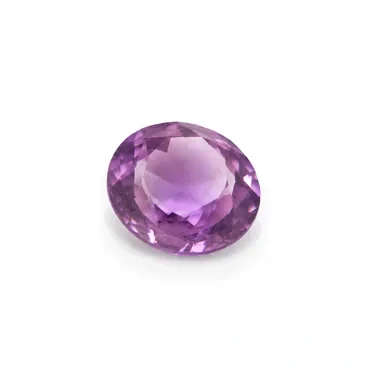
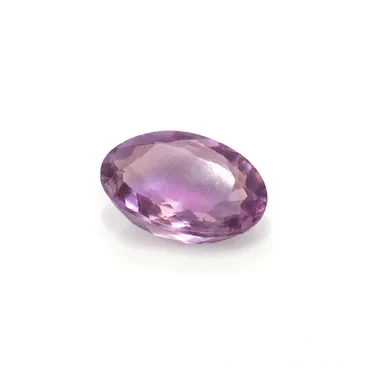
| February | Amethyst (Jamunia) | Amethyst | Kumbh: blue sapphire (Neelam) |
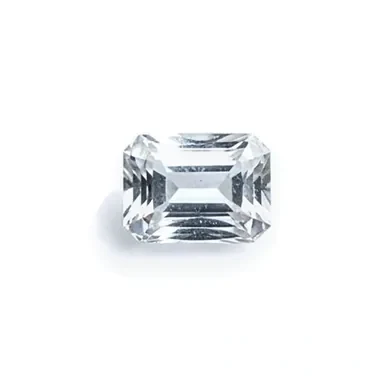
| March | Aquamarine (Beruj), bloodstone | Bloodstone | Meen: yellow sapphire (Pukhraj) |
| April | Diamond | Diamond | Mesh: red coral (Moonga) |
| May | Emerald (Zamurd) | Emerald | Vrishabh: diamond, or white sapphire / white topaz |
| June | Pearl (Moti), moonstone, alexandrite | Pearl | Mithun: emerald (Panna) |
| July | Ruby (Yaqoot) | Ruby | Kark: pearl (Moti) |
| August | Peridot (Zabarjad), spinel, sardonyx | Sardonyx | Simha: ruby (Yaqoot) |
| September | Sapphire (Neelam) | Sapphire | Kanya: emerald (Panna) |
| October | Opal, tourmaline | Opal | Tula: diamond, or white sapphire / white topaz |
| November | Topaz, citrine (Sunehla) | Topaz | Vrishchik: red coral (Moonga) |
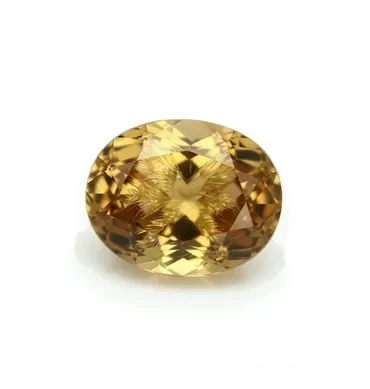
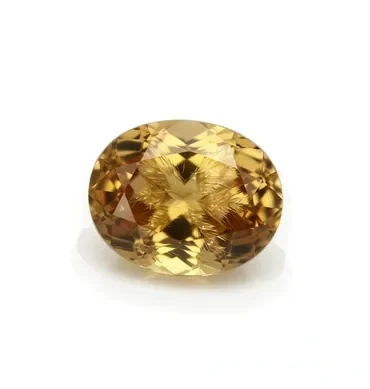
| December | Tanzanite, turquoise (Feroza), zircon | Turquoise, lapis lazuli (Lajward) | Dhanu: yellow sapphire (Pukhraj) |
Notice how rarely the Vedic column agrees with the other two. July's ruby in the modern list becomes pearl in the Vedic column, and ruby moves to August. That's the calendar shift and the planetary logic working together.
Which birthstone list should I follow?
Follow the list that matches your reason for buying. For a birthday gift or personal meaning, the modern list is the most widely recognised. For a connection to older European custom, the traditional list works. For astrological wear, Vedic practice relies on a chart reading, so ask your astrologer rather than picking by month. These are traditions, not rules.
Nothing stops you combining them, either. Plenty of buyers choose the modern stone for a pendant and keep a separate rashi stone in a ring.
Buying notes for stones that appear on more than one list
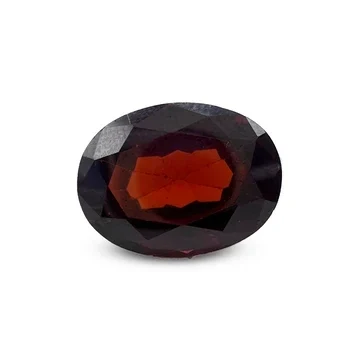
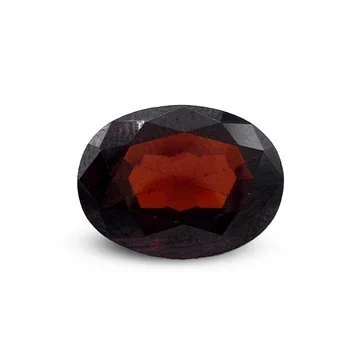
- Garnet (January): on both Western lists and almost never treated. Browse our garnet range.
- Bloodstone (March): the traditional pick, a dark green chalcedony with red spots. See bloodstone.
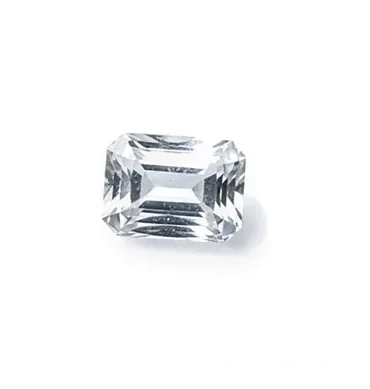
- Diamond alternatives (April and Vedic Venus): we don't stock diamond or white sapphire, so white topaz and Dur-e-Najaf are the natural colourless options.
- December's blues: Feroza, tanzanite and lapis lazuli cover both Western lists.
- Vedic stones: Pukhraj, Neelam and red coral are the ones families ask for most.
Is my rashi stone the same as my birthstone?
Usually not. A birthstone comes from the Western calendar month, while a rashi stone comes from the planet ruling your moon sign or ascendant in a Vedic chart. They overlap only by coincidence. If someone asks "mera birthstone kaun sa hai?" in Pakistan, it's worth checking which of the two they actually mean before recommending anything.
Our birthstones by month hub has a page for each month, and the zodiac gemstones section covers each rashi. Both describe traditional associations, not promises; for what to wear and when, follow your astrologer's advice.
 Natural · Inspected
Browse: All Garnet · All Amethyst · All Aquamarine · All Yellow Sapphire
خلاصہ
پیدائشی پتھروں کی تین فہرستیں عام ہیں: جدید، روایتی اور ویدک، اور تینوں ایک ہی مہینے کے لیے مختلف پتھر بتا سکتی ہیں۔ جدید اور روایتی فہرستیں مہینے پر چلتی ہیں، جبکہ ویدک طریقہ زائچے اور سیارے کو دیکھتا ہے۔ تحفے کے لیے جدید فہرست کافی ہے، اور نجومی وجہ سے پتھر پہننا ہو تو اپنے نجومی سے مشورہ کریں۔
Ready to choose? Shop birthstones by month