
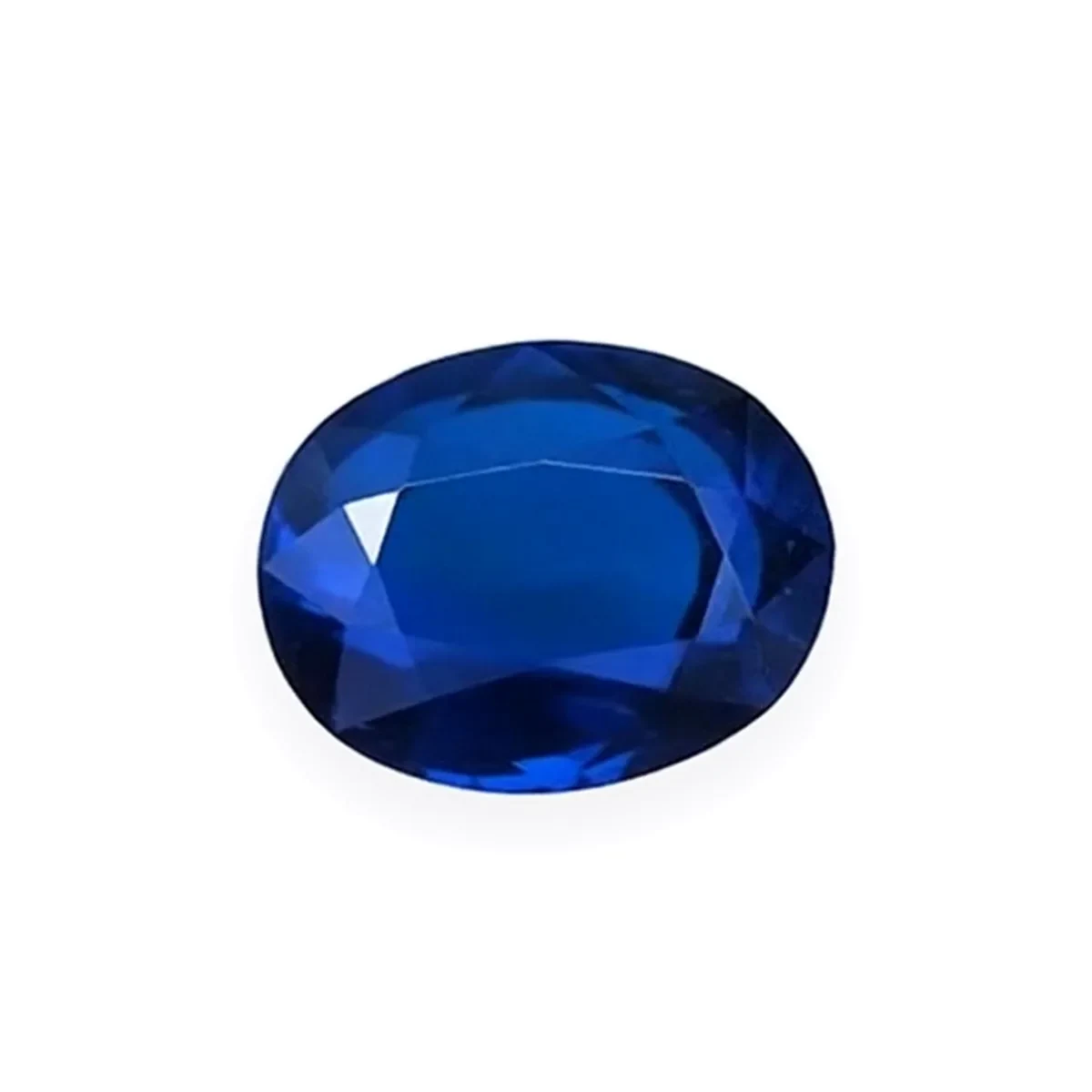
What is heat treatment in gemstones?
Heat treatment is controlled heating of a natural stone, usually in a furnace, to improve its colour or clarity. It's the most common gem treatment in the world. Most Neelam, Yaqoot and Pukhraj on the market has been heated, and the result is permanent under normal wear. The stone stays natural; only its appearance changes.
Heating has been used for centuries, originally over charcoal fires in Sri Lanka and Myanmar. Today's furnaces are far more precise. Heat can dissolve the fine "silk" that makes a sapphire look cloudy, deepen a pale blue, remove an unwanted purple tint from ruby or strengthen the yellow of Pukhraj. A heated stone is still mined from the ground. It's simply been helped along.
Heating is not the same as other treatments
Simple heat is accepted across the trade when it's disclosed. Some other treatments are a different matter: glass filling of ruby, beryllium diffusion of sapphire and surface coatings change the stone far more and are priced much lower. We don't sell those as Neelam or Yaqoot.
Why do unheated stones cost more?
Because far fewer of them exist. Only a small share of rough comes out of the ground with colour and clarity good enough to leave alone, so a fine unheated Neelam, Yaqoot or Pukhraj is genuinely scarce. Buyers in the market pay a clear price difference for that, and comparable unheated stones often cost a good deal more per carat than heated ones.
The gap isn't fixed. It depends on the stone, its size, its colour and whether a lab report backs up the "unheated" description. A heated stone of fine colour can still cost more than a dull unheated one. We describe this as a price difference you'll see today, not a forecast. For traditional and astrological wear, many buyers specifically ask for "bina garam kiya hua" stones, and that preference is part of why the difference exists.
| Heated | Unheated | |
|---|---|---|
| How common | Most sapphire and ruby on the market | A small minority |
| Natural stone? | Yes | Yes |
| Colour stability | Permanent under normal wear | Permanent |
| Price per carat | Lower | Higher for comparable quality |
| How to confirm | Lab report | Lab report |
How RareGems labels treatment on each listing
Every listing in our Neelam, Yaqoot and Pukhraj categories carries a treatment line. We use plain wording:
- Heated: the stone has been heat treated, which is normal for the species.
- Unheated: we're confident the stone hasn't been heated, based on our inspection and the source. Where a lab report confirms it, the listing says so.
- Not determined: we can't be sure either way without a lab, so we don't guess. We'll suggest a report.
Other stones get the same honesty. Zamurd may be oiled, Feroza stabilised and some Aqeeq dyed, and our authenticity page lists the common treatments for each.
How does a lab confirm a stone is unheated?
A gem lab looks for evidence that heat would have changed or destroyed. Under the microscope, intact fine silk and undisturbed crystal inclusions point to no heating, while melted silk, small discoid fractures around crystals and altered colour zoning point to heat. Spectroscopy then adds chemical evidence. The report states the result, often as "no indications of heating".
No seller can confirm this with a loupe alone, which is why we recommend a report for any unheated stone you're paying a premium for. See lab certified gemstones for how to request one, and how we grade for what we check ourselves. Documented unheated stones can also appear among our Rare Finds.
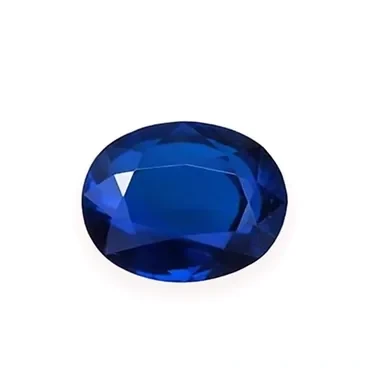 Natural · Inspected
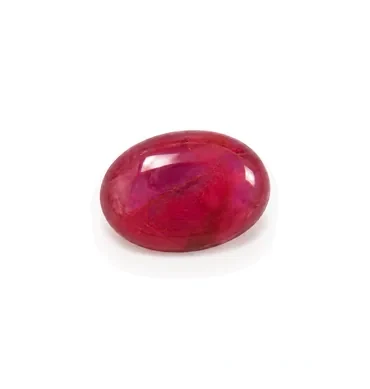
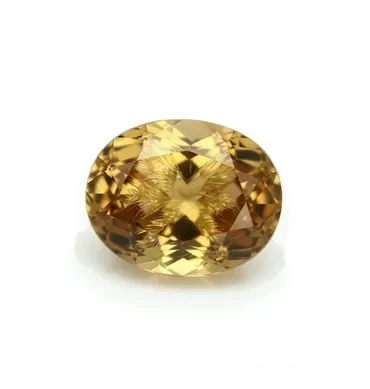 Natural · Inspected
 Natural · Inspected
 Natural · Inspected
Browse: All Sapphire · All Ruby · All Yellow Sapphire
Buying a blue sapphire specifically? Read unheated vs heated neelam for how the two compare on colour and price.