
Unheated vs Heated Neelam: How to Tell, and Why the Price Gap Is So Big
By Ali Raza · Updated 23 October 2026
Two blue sapphires sit side by side on a tray in a Lahore shop. Same weight, similar blue, both natural. One is priced at two or three times the other, and the only explanation offered is "ye bina garam kiya hua hai". That short sentence carries more weight in the Neelam trade than almost any other, so it's worth knowing what lies behind it, what can and can't be seen, and why the gap is real rather than sales talk.
Our general guide to heated vs unheated gemstones covers Neelam, Yaqoot and Pukhraj together. This post stays with blue sapphire only, and goes further into the clues inside the stone: silk, colour zoning, crystal inclusions and the instruments a lab brings in when the eye runs out.
Why is so much Neelam heated in the first place?
Because most sapphire rough comes out of the ground too pale, too dark, too grey or too cloudy to sell well as it is. Controlled heating, often somewhere between about 1,200 and 1,800 degrees Celsius, can deepen a weak blue, lighten an inky one and dissolve the fine needles that make a stone look milky. The result is permanent and accepted when disclosed.
The blue in sapphire comes from iron and titanium sitting next to each other in the corundum crystal. In a lot of rough, much of the titanium is locked away in tiny rutile needles instead of adding to the colour. Heat lets some of it move back into the crystal, where it pairs with iron and turns blue. That's why pale, silky Sri Lankan geuda rough can turn bright blue after hours in a furnace. The stone is still mined corundum; it has simply been finished by people as well as by nature.
What is silk, and why does it matter so much?
Silk is the trade word for very fine rutile needles that grow inside sapphire in three directions, crossing at 60 degrees. Intact, sharp silk is one of the best everyday clues that a Neelam hasn't been strongly heated, because high heat partly dissolves those needles. Silk alone proves nothing, but it's where every careful examination of a blue sapphire starts.
Under a 10x loupe or a microscope, untouched silk looks like long, continuous, shiny threads, sometimes in dense patches that give a soft sheen when light hits them at an angle. After strong heat, the same needles often break up into rows of tiny dots, turn fuzzy at the edges or fade into faint ghost lines.
There's a catch for buyers. Low-temperature heating, which some burners use to improve colour while keeping the silk, can leave needles looking almost untouched. And some unheated stones carry very little silk to begin with, so there's nothing to read. Silk is a clue you interpret, not a verdict you can sign.
Colour zoning: the second clue
Sapphire grows in layers, and the blue often sits in straight bands that follow the six-sided shape of the crystal. Lay a loose Neelam face-down on white paper, or look through the side with a light behind it, and you may see these bands: sharp stripes of blue beside paler or almost colourless strips. In an unheated stone the edges of those bands are usually crisp and straight.
Heating tends to soften them, because the colour-causing elements spread a little at high temperature. Heated stones can show blotchy, cloudy patches of blue, or blue that looks as if it has bled across a boundary. Strong colour concentrated just under the surface, following the facets instead of the growth bands, is a different warning: it can point to diffusion treatment, which isn't the same as simple heat and should be priced far lower. Labs check this by immersing the stone in a liquid, one more reason the question belongs on a lab bench rather than a shop counter.
What does a gem lab actually look for?
A lab combines several checks instead of trusting one. Gemmologists study the silk, crystal inclusions and colour zoning under a microscope, then use infrared and other spectroscopy to look for chemical traces that heating leaves behind. Only when the evidence agrees does a report say "no indications of heating". When it's unclear, a careful lab says that too, and doesn't guess.
| Clue | Typical in unheated Neelam | Typical after heating | Can a buyer see it? |
|---|---|---|---|
| Silk (rutile needles) | Long, sharp, continuous | Broken into dots, blurred or missing | Partly, with a 10x loupe |
| Crystals inside the stone | Clean outlines, no cracks around them | Small disc-shaped halo fractures, melted look | Rarely; needs a microscope |
| Colour zoning | Straight bands with crisp edges | Softened, blotchy or bled edges | Sometimes, face-down on white paper |
| Colour near the surface | Follows the growth bands | Hugging the facets suggests diffusion, not plain heat | No; needs immersion |
| Infrared spectrum | No heat-related features | Features linked with heating | No; lab instrument only |
The crystal inclusions deserve a word. Many sapphires hold tiny crystals of other minerals, such as zircon. These expand at a different rate from the corundum around them, so when the stone is heated they often crack it, leaving a small flat fracture that looks like a frosted halo or a tiny galaxy around the crystal. Labs treat these discoid fractures as strong evidence of heat. Spectroscopy adds a second line of evidence that doesn't depend on what can be seen, which is why the reports the trade trusts most come from labs with that equipment. Our lab certified gemstones page explains how to request one through us.
Why is the price gap between heated and unheated Neelam so big?
Because supply is so lopsided. Only a small share of sapphire rough has colour and clarity good enough to be cut and sold without heat, and demand for those stones is steady, especially among buyers wearing Neelam for traditional reasons. Comparable unheated stones commonly cost anything from a clear premium to double or more per carat than heated ones.
Several things widen the gap further:
- Proof costs money. An unheated claim only carries full weight with a report from a lab equipped for heat detection, which adds a fee and some waiting time to every stone sold that way.
- Fine colour is scarcer still without heat. A bright, even, medium blue that needed no help is a small group inside an already small group.
- Size multiplies it. Above a few carats, clean unheated Neelam becomes genuinely hard to find, and the per-carat rate climbs with weight.
- Traditional preference. Many buyers, often on their astrologer's advice, ask specifically for an untreated stone. That preference is part of the market and keeps demand for unheated stones firm.
The gap isn't a fixed rule, though. A heated stone of beautiful colour can cost more than a dull, greyish unheated one. A Neelam isn't valuable simply because it's unheated; it's valuable when it's unheated and good. For indicative per-carat ranges by quality, see our gemstone prices in Pakistan guide, and for the separate effect of origin, our sapphire origins guide and gemstone origins page.
Is a heated Neelam a lesser stone?
No. A heated blue sapphire is still natural corundum from a mine, and its colour stays stable for life under normal wear. For a ring you'll enjoy every day, a well-cut heated stone often gives more beauty for the money. The difference is rarity and price, not authenticity, provided the heating is disclosed and nothing else has been done to the stone.
What should change the conversation is anything beyond simple heat. Beryllium diffusion pushes colour in from outside, glass filling hides fractures, and lab-grown sapphire has no mine behind it at all. None of these should be sold as natural Neelam at a natural price. Our real vs fake gemstones guide covers the warning signs, and the sapphire buying guide sets out the wider checklist.
Questions to ask before paying an unheated premium
- Is "unheated" your opinion from inspection, or does a lab report state "no indications of heating"?
- What kind of laboratory issued the report, and can I check the report number with the lab?
- Will you write the treatment status on the invoice, in those words?
- If an independent test disagrees with your description, what happens next?
None of this needs to be confrontational. "Bhai, is ki report hai? Agar nahi, to kya main apne kharch par test karwa sakta hoon?" A seller who is confident in the stone won't mind the question.
How RareGems describes treatment on Neelam
Every listing in our sapphire (Neelam) category carries a treatment line in plain words: heated, unheated or not determined. Unheated means we're confident from our own inspection and the source, and where a lab report confirms it the listing says so. The same applies to Pukhraj and purple sapphire. Our checks are described step by step in how we grade.
Any stone can be sent for an independent lab report on request. The lab fee is charged separately from the stone's price, and we confirm it with you before the stone goes for testing. A Neelam with its unheated status documented can also qualify for our Rare Finds tag. Orders go across Pakistan by TCS or Leopards Courier, with Cash on Delivery and a 7-day return window.
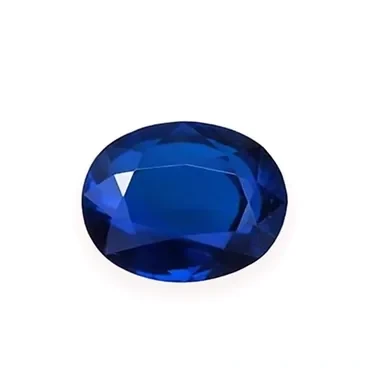 Natural · Inspected
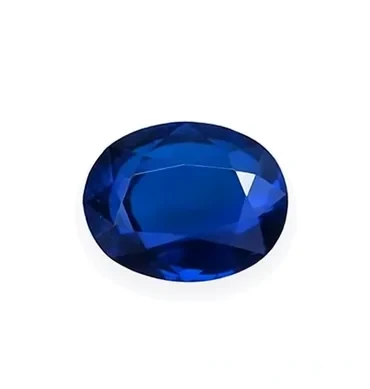 Natural · Inspected
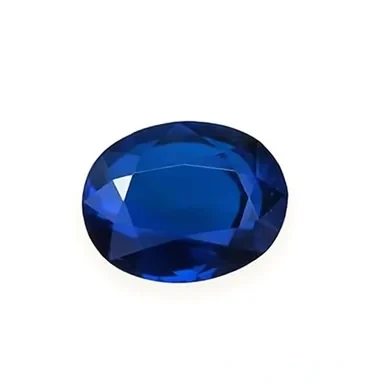 Natural · Inspected
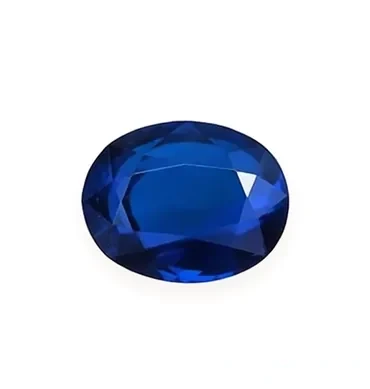 Natural · Inspected
Browse: All Sapphire
خلاصہ
زیادہ تر نیلم کو رنگ اور صفائی بہتر کرنے کے لیے گرم کیا جاتا ہے، اور یہ ایک قدرتی پتھر ہی رہتا ہے۔ بغیر گرم کیے نیلم کی پہچان سِلک، رنگ کی پٹیوں اور اندرونی کرسٹلز سے ہوتی ہے، مگر حتمی فیصلہ صرف لیب رپورٹ کرتی ہے۔ بغیر گرم کیا ہوا اچھا نیلم کم ملتا ہے، اس لیے اس کی فی کیرٹ قیمت کافی زیادہ ہوتی ہے۔