
Kashmir Sapphire: Why Most 'Kashmir Neelam' Sold in Pakistan Isn't
By Ali Raza · Published 27 October 2026 · Updated 16 November 2026
"Kashmiri Neelam" may be the most used phrase in Pakistan's gem trade. You'll hear it in Rawalpindi's bazaars, read it on social media listings and see it on hand-written slips in Peshawar. Yet the real Kashmir sapphire mine produced its famous stones for only a few years in the 1880s, and almost nothing since. This post explains where Kashmir sapphire actually came from, why it looks the way it does, why a genuine one is almost never sold casually in Pakistan, and how to question a seller's claim without giving offence.
If you want the wider picture of every Neelam source, from Sri Lanka to Madagascar to our own Kaghan Valley, read our sapphire origins guide first. Here we stay with one name and the claims that surround it.
Where is the Kashmir sapphire mine?
High in the Zanskar range, in the Padar area of Kishtwar district on the Indian-administered side of Kashmir, at roughly 4,500 metres. It isn't in Azad Kashmir. The deposit was found around 1881, reportedly after a landslide exposed blue crystals, and it sits under snow for most of the year, so work there has always been short and seasonal.
That geography matters for Pakistani buyers. Azad Kashmir does produce gemstones, including ruby from the Neelum Valley, but "Kashmiri" in the sapphire trade refers to this one remote valley across the Line of Control. A stone from Azad Kashmir, however good, isn't a Kashmir sapphire in the sense that auction houses and laboratories use the term.
How much did the mine actually produce?
Very little by modern standards. The richest pocket, often called the old mine, was worked out within about five or six years of its discovery, roughly 1882 to 1887. Later attempts in the twentieth century recovered only small amounts. Nearly all the fine Kashmir sapphires known today were cut more than a century ago and now sit in collections.
Compare that with Sri Lanka, which has supplied sapphire for well over two thousand years, or Madagascar, where the Ilakaka finds of the late 1990s produced more blue sapphire in a few years than Kashmir has in its whole history. The total output of fine Kashmir stones is tiny, and most of it is accounted for. When one comes up for sale internationally, it's usually through a major auction house, with reports from more than one top-tier laboratory, at prices far beyond normal Pakistani retail rates.
The velvety look: what makes a Kashmir sapphire distinctive
Fine Kashmir sapphire is known for a soft, velvety, cornflower blue. The best stones look as if the colour is suspended in the stone rather than reflected off it, and they keep their blue under warm indoor light, where many sapphires turn darker or inkier.
The cause is inside the stone. Kashmir sapphires typically carry bands of extremely fine particles, too small to see as separate needles under a loupe, that scatter light gently through the stone. Gemmologists sometimes describe these as milky zones. Labs also look for particular mineral crystals and growth patterns known from the deposit, and for a chemical fingerprint measured with laser-based instruments. Together, these features give the look its softness. They also explain why the look can be approached, but not matched, by other stones.
That's the problem for buyers. A soft, slightly hazy, bright blue can also come from Sri Lanka, Madagascar or Burma, and from heat-treated material with fine residual silk. To the eye, and even under a loupe, a pleasant Sri Lankan Neelam can resemble the Kashmir description closely enough for a seller to make the claim in good faith.
Why is most "Kashmir Neelam" in Pakistan not from Kashmir?
Because the numbers don't allow it. The mine's fine output was small, ended in the 1880s and now sits largely in collections. A genuine stone would carry an origin report from a top-tier laboratory and trade at auction-level prices. A "Kashmiri Neelam" sold at an ordinary per-carat rate, without such a report, is almost certainly from somewhere else.
Most of the time nobody is deliberately lying. In local usage "Kashmiri" often drifts into meaning "a good soft blue" or "the best kind", the way "Ceylon" sometimes means "light blue". Some sellers repeat what their supplier told them. Others use it because buyers ask for it. Either way, the word on its own describes a hope, not a fact.
| What the seller says | What it usually means | What to ask |
|---|---|---|
| "Kashmiri Neelam" | A soft, medium blue from an unspecified source | Is there a lab report stating the origin? |
| "Kashmir colour" or "Kashmir type" | A description of the look only, not the source | So where was it actually mined? |
| "Old Kashmir stone from a family collection" | A story that can't be checked without paperwork | Can it go to a lab before I pay? |
| "Kashmir, local lab certified" | Identification may be sound; the origin opinion may not be | Does the lab issue origin opinions for sapphire? |
| "Origin: Kashmir" on a top-tier lab report | The lab's documented opinion after full testing | Can I verify the report number with the lab? |
Why origin needs a top-tier lab report
Origin can't be seen. A lab decides it by comparing a stone's inclusions and trace-element chemistry with reference samples from known mines, and that takes specialised equipment and a large reference collection. Most local labs in Pakistan do sound work on identification and basic treatment, and they're the right choice for everyday stones. Origin opinions for high-value sapphire, especially a name as loaded as Kashmir, are a different service, usually offered by internationally recognised laboratories such as GIA and GRS.
Even then, the report is an opinion. For the most valuable stones, buyers often want two reports that agree. A report should also state treatment: a Kashmir stone that has been heated is still from Kashmir, but it sits in a very different price bracket from an unheated one. Our heated vs unheated page explains that distinction, and lab certified gemstones explains what a report does and doesn't tell you.
How do you question a seller's Kashmir claim politely?
Ask for evidence, not confessions. Something like "Bhai, bahut khoobsurat pathar hai. Kya is ki origin report hai?" keeps the conversation friendly. If there's no report, ask whether you can have it tested before paying. A confident, honest seller will agree, and the answer tells you what you need to know.
A few more questions that stay courteous and still get results:
- "Will you write the origin and treatment on the invoice?" Sellers who believe the claim usually don't mind.
- "Which laboratory issued this report, and can I check the number?" Genuine top-tier reports can be verified with the lab that issued them.
- "If a lab says it's from somewhere else, can I return it?" Ask for the answer in writing.
- "What would this stone cost if it were from Sri Lanka?" This often reveals how much of the price rests on the name.
If the answers are vague, there's no need to argue. Judge the stone on what you can see: colour, clarity, cut, weight and the treatment line. A lovely blue from Sri Lanka at a fair Sri Lankan price is a better buy than an unproven Kashmir story at a premium. Our sapphire buying guide covers the full checklist.
Does origin change how Neelam is traditionally worn?
In Vedic tradition, Neelam is associated with Saturn (Shani), and the traditional guidance usually concerns the stone being natural, its weight and how it's set, not which country it came from. Many buyers who wear Neelam for traditional reasons ask for an untreated stone rather than a famous origin. For what to wear and when, follow your astrologer's advice.
Our Neelam traditions guide covers how the stone is traditionally worn, and the Urdu page on نیلم covers the same ground for Urdu readers.
How RareGems handles origin on Neelam
Every Neelam listing on RareGems currently reads "Origin: not documented". We name an origin only when a lab report or a supplier document backs it, and none of our current sapphires has one, so we don't sell any stone as Kashmir, Kashmir-type or Ceylon, and no price includes an origin premium. Treatment works the same way: a stone that hasn't been lab-tested isn't called unheated, because most blue sapphire is heated. If origin matters to you, ask us to send the stone for an independent report before you pay. Our gemstone origins page explains how origin is worded, and how we grade sets out our own checks.
Any stone can be sent for an independent lab report on request, with the lab fee charged separately and confirmed before testing. Stones with documented origin can qualify as Rare Finds. Browse our sapphire (Neelam) collection below, or look at purple sapphire, tanzanite and aquamarine if you like a softer blue or violet.
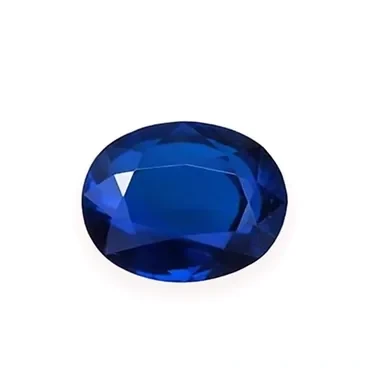 Natural · Inspected
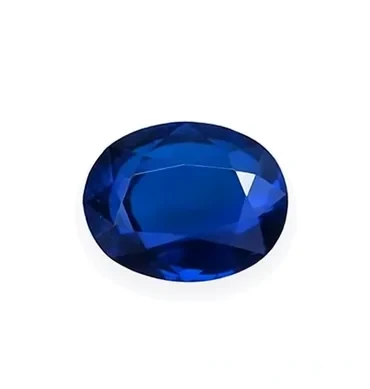 Natural · Inspected
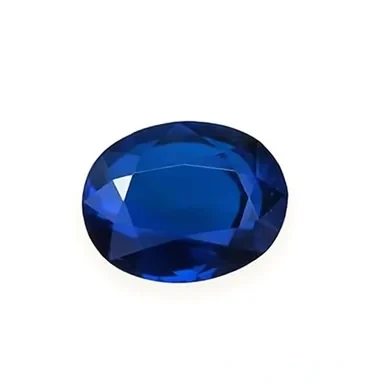 Natural · Inspected
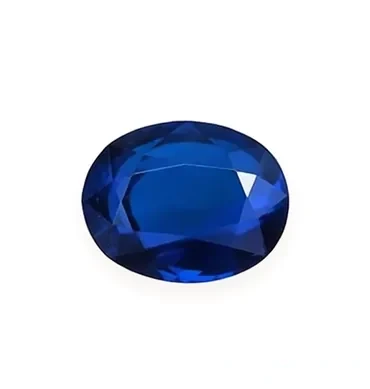 Natural · Inspected
Browse: All Sapphire
خلاصہ
اصل کشمیری نیلم کی کان 1880 کی دہائی میں صرف چند سال چلی، اور اس کے زیادہ تر عمدہ پتھر آج نیلام گھروں اور ذخیروں میں ہیں۔ پاکستان میں عام قیمت پر بکنے والا "کشمیری نیلم" تقریباً ہمیشہ کسی اور جگہ کا ہوتا ہے۔ اصل ماخذ کا ثبوت صرف کسی معروف بین الاقوامی لیب کی رپورٹ دے سکتی ہے، اس لیے بیچنے والے سے نرمی سے رپورٹ مانگیں۔