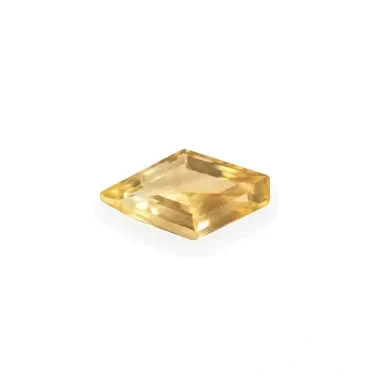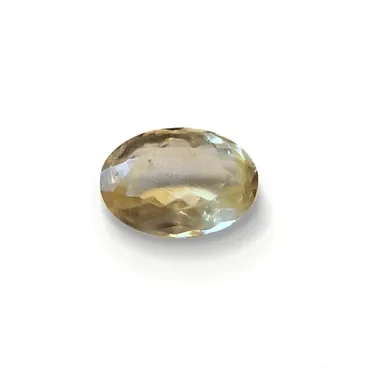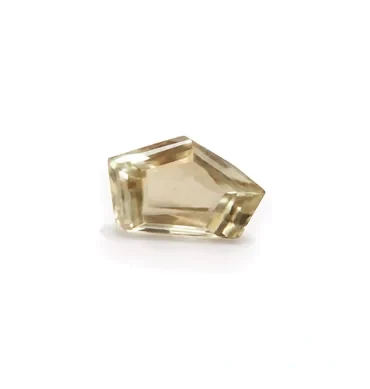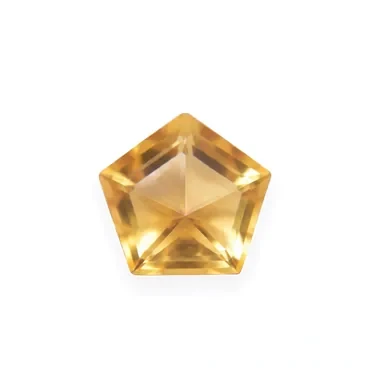
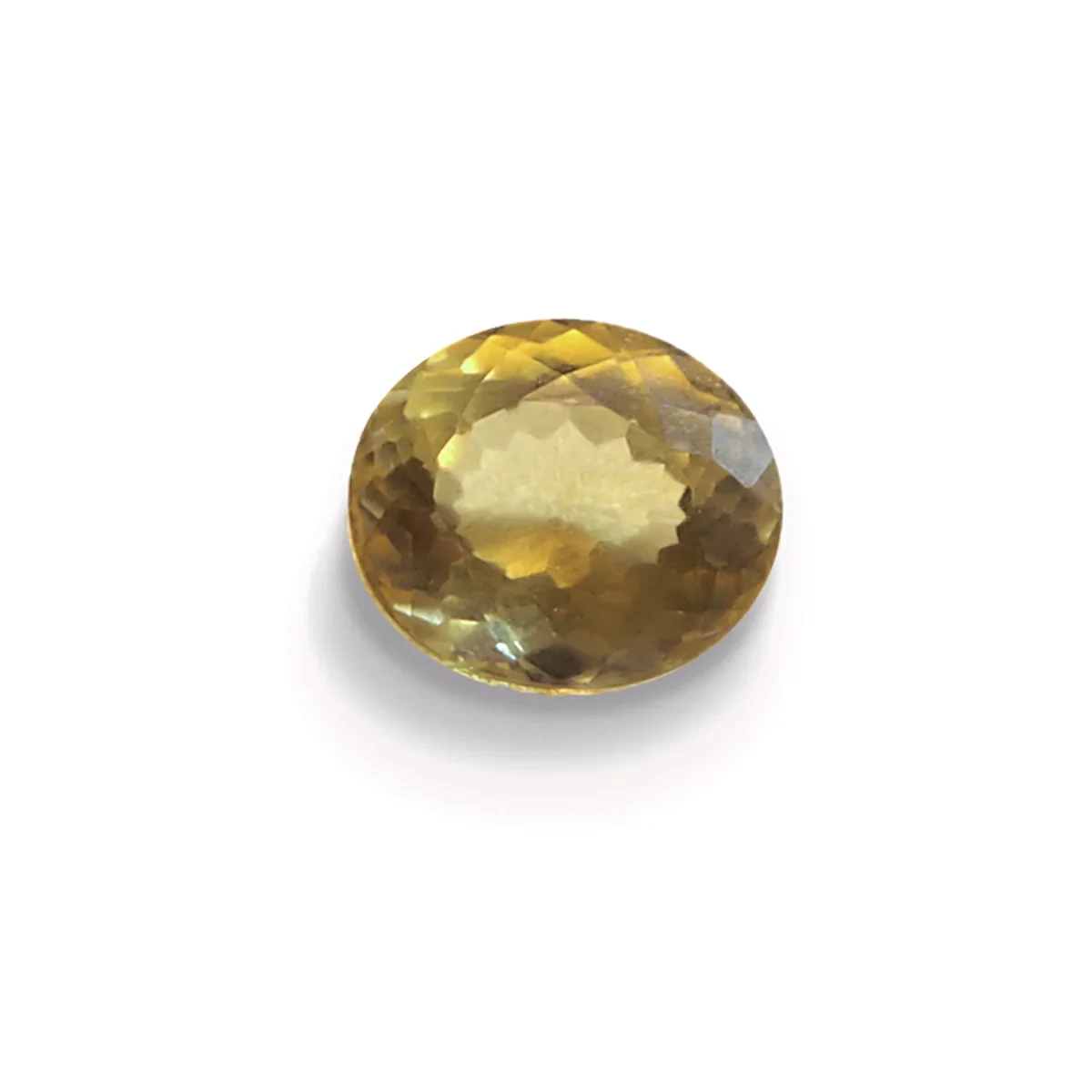
Loose Citrine Gemstone Pakistan 14.5 Carat
2,002 روپے فی رتی · Rs. 2,200 per carat · 15.93 ratti (14.5 ct)
Original sunehla stone · 14.5 carat (15.93 ratti). Photographed individually, 7-day returns, COD nationwide.
At 14.5 carats (15.93 ratti), this sunehla stone is a natural citrine. What you see in the pictures is the exact stone that will be packed and sent to you. Citrine is the yellow to golden-orange variety of quartz, its name taken from the French word for lemon. Naturally coloured citrine is relatively rare, and much of what is sold is heat-treated amethyst.
What to notice in this citrine
The most desirable citrine shows a saturated golden or reddish-orange colour without muddy brown tones. Clean, well-cut stones are the norm, so visible inclusions reduce value. The asking price of Rs. 31,900 equals roughly Rs. 2,200 for every carat, which places it in the entry part of our current citrine range.
Origin and treatment
Origin: not documented, so we don't state one. We only name an origin when a lab report or supplier document backs it; ask for an independent lab report (lab fee charged separately) if origin matters to you. Most citrine on the market originates in Brazil and Bolivia, often from amethyst that has been heated. Naturally coloured stones are scarcer and usually paler. Most citrine is heated amethyst or smoky quartz, and the resulting colour is permanent. Glass and synthetic quartz are common imitations. This particular piece has not been lab-tested, so we don't describe it as untreated: much citrine is heated amethyst. Ask for an independent lab report (lab fee charged separately) if treatment matters to you.
How to be sure it is natural
A gem lab can confirm quartz and separate citrine from yellow topaz, yellow sapphire and glass. Topaz and sapphire are both noticeably denser than citrine. RareGems lists natural stones only. Ask for a lab report before dispatch, or test the stone yourself after delivery — if a lab disagrees with our description within 7 days, you get your money back.
Wearing and care
Large citrine stones make striking cocktail rings and pendants. Silver settings give a brighter, more modern look. Citrine is hard enough for daily wear; clean it with warm soapy water and a soft brush. Long exposure to strong sunlight may fade some stones.
Why people wear sunehla stone
Citrine is one of the November birthstones and is traditionally associated with warmth, optimism and prosperity. Some astrologers suggest it as an affordable substitute for Pukhraj, linked with Jupiter. Beliefs vary, so treat these as tradition rather than promises, and take your astrologer's advice on weight and finger.
See the rest of our citrine stones or look at iron tiger eye. Per-carat rates for all gems are listed in the gemstone price guide, and the Urdu and English gem names page explains the trade terms. New to this stone? Read Citrine (Sunehla) Stone Benefits: Who Wears It and How.
About This Stone
At a glance: one natural citrine (Sunela) of 14.5 Carat (roughly 15.93 ratti). The price is Rs. 31,900, or close to Rs. 2,200 for each carat. Treatment: not lab-tested (much citrine is heated amethyst). Quote reference PS-000206 on WhatsApp and we will pull up this exact piece. You will receive the very stone in the photos — each listing is one physical piece.
Above twelve carats this is a collector's weight. Most owners set such a stone in a pendant or keep it as a display piece; if it goes into a ring, a full bezel will protect its edges.
Hardness: 7 on the Mohs scale. Daily wear is fine; just avoid knocking it against walls or metal. Keep harsh chemicals and high heat away, and clean it gently with mild soap.
Our checks before listing: natural (not lab-grown, glass or composite), treatments written down, and the weight measured on the finished stone. A certificate can be arranged on request, and you are welcome to have the citrine tested independently within the 7-day return window.
Customer reviews
No reviews for this stone yet. Bought it from us? Tell other buyers what it is like in real life.