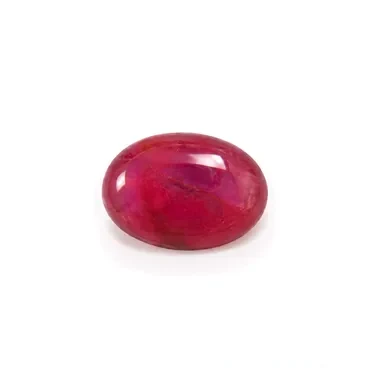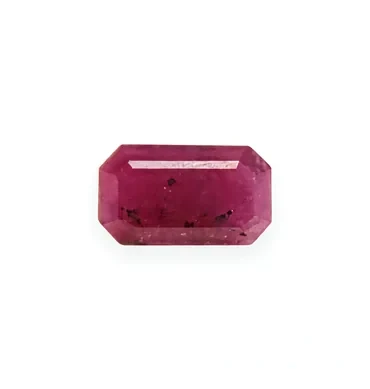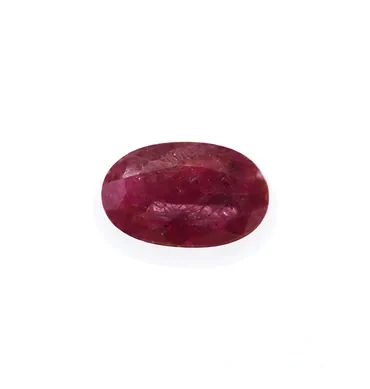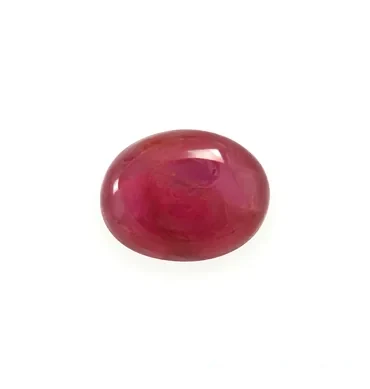
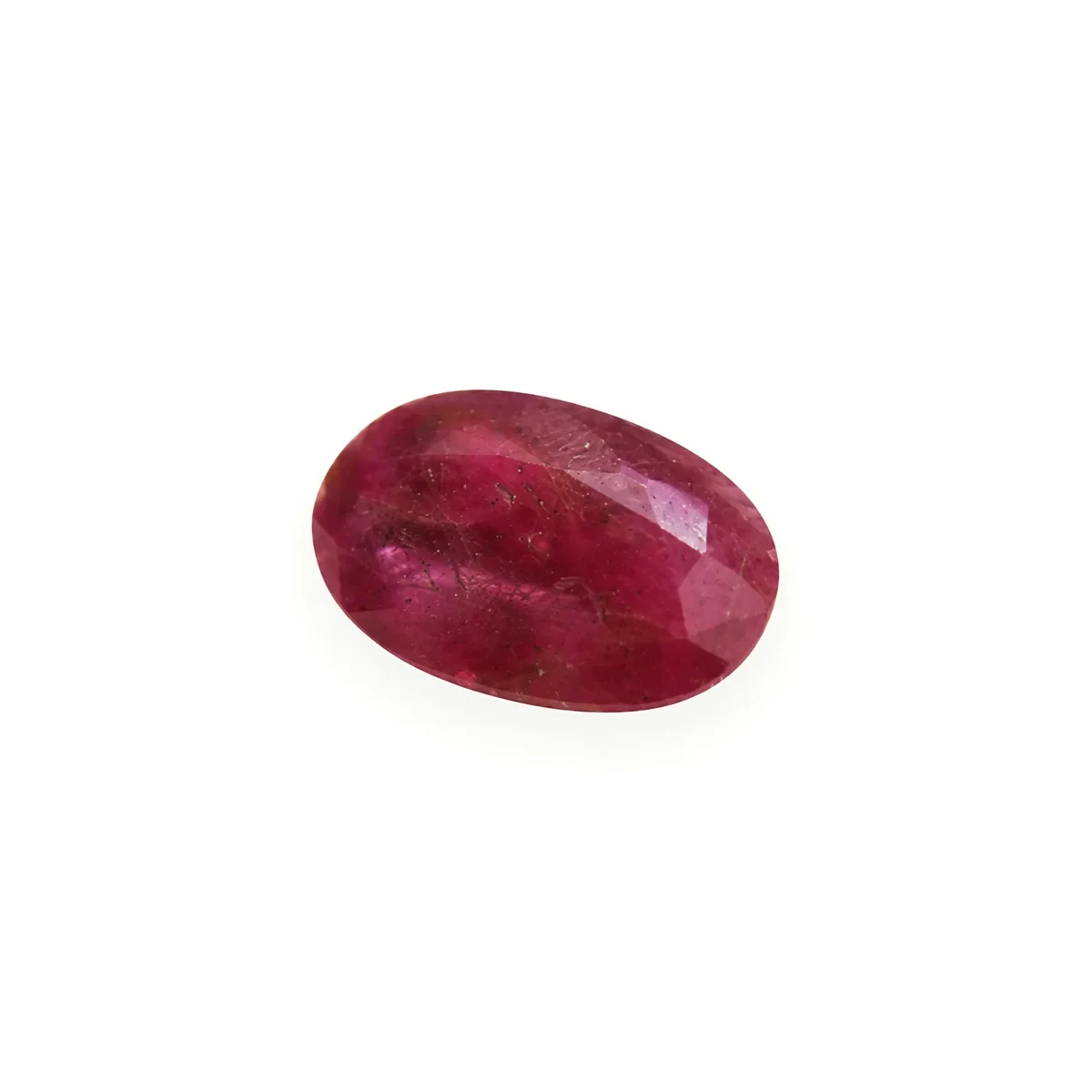
Natural Ruby Loose Stone Pakistan 6.6 Carat
2,594 روپے فی رتی · Rs. 2,850 per carat · 7.25 ratti (6.6 ct)
Original yaqoot stone · 6.6 carat (7.25 ratti). Photographed individually, 7-day returns, COD nationwide.
Heating is routine for sapphire and ruby and changes the price. Heated vs unheated stones: how they differ and what a lab report shows.
Order on WhatsAppLooking for an original yaqoot stone around 6.6 carats? This piece tips the scale at 6.6 ct (roughly 7.25 ratti) and is offered as one unique stone — the one shown in the photos. Among coloured stones, ruby has long been treated as royalty. It is corundum, the mineral behind sapphire too, but only the red shades that come from chromium earn the name ruby.
Quality and value of this yaqoot stone
Colour matters most: deep, vivid red outranks pinkish or brownish stones. Small inclusions are expected in ruby, but they should not cloud the stone or reach the surface as open fractures. The asking price of Rs. 18,810 equals roughly Rs. 2,850 for every carat, which places it in the entry part of our current ruby range.
Origin and treatment
Origin: not documented, so we don't state one. We only name an origin when a lab report or supplier document backs it; ask for an independent lab report (lab fee charged separately) if origin matters to you. Hunza in Gilgit-Baltistan and parts of Azad Kashmir yield Pakistani rubies, often with a bright pinkish-red tone. Most commercial supply now comes from Mozambique and Myanmar, with Thai and Sri Lankan deposits also contributing. Heating is standard for ruby and is generally accepted when disclosed. Lead-glass-filled rubies, which look attractive but are fragile and far less valuable, are common in markets and should be identified by a lab. This particular piece has not been lab-tested, so we don't describe it as untreated: most ruby is heated, and some lower grades are glass-filled. Ask for an independent lab report (lab fee charged separately) if treatment matters to you.
Is this yaqoot stone real?
A recognised gem lab can identify natural ruby, report heating and spot glass filling or synthetic growth. Under a loupe, natural stones often show fine silk or crystals, while glass imitations show gas bubbles and swirl marks. RareGems lists natural stones only. Ask for a lab report before dispatch, or test the stone yourself after delivery — if a lab disagrees with our description within 7 days, you get your money back.
Wearing and care
Rubies are tough enough for everyday rings, and yellow gold is the classic choice because it enhances red tones. Men often choose a bold solitaire ring, while women may prefer a pendant or a ring with a halo setting. With hardness 9, ruby handles daily wear well; wash it in warm soapy water and dry it gently. Avoid harsh chemicals and ultrasonic cleaning for glass-filled stones.
Why people wear yaqoot stone
In Vedic astrology Yaqoot represents Surya (the Sun) and is traditionally suggested for Simha (Leo) rashi. It is commonly associated with confidence, leadership and vitality, though these remain beliefs rather than guarantees. Beliefs vary, so treat these as tradition rather than promises, and take your astrologer's advice on weight and finger.
Compare it with our other ruby stones or look at lapis lazuli. Per-carat rates for all gems are listed in the gemstone price guide, and the Urdu and English gem names page explains the trade terms. New to this stone? Read Ruby (Yaqoot) Quality: How the Trade Grades a Stone.
About This Stone
This listing covers one natural ruby (Yaqoot) of 6.6 Carat (roughly 7.25 ratti). The price is Rs. 18,810, or close to Rs. 2,850 for each carat. Treatment: not lab-tested (most ruby is heated, and some lower grades are glass-filled). Quote reference PS-000519 on WhatsApp and we will pull up this exact piece. The photographs show the stone you will be sent, not a stock image.
From six to twelve carats a stone becomes a centrepiece. Expect to use a broader shank or secure claws in a ring, or let it lead a pendant. Natural material of this size turns up far less often than smaller pieces, which shows in the rate per carat.
Hardness: 9 on the Mohs scale. That makes it one of the toughest stones you can wear every day. Clean it with soapy lukewarm water and a soft brush, and skip ultrasonic cleaning if it shows surface-reaching inclusions.
Our checks before listing: natural (not lab-grown, glass or composite), treatments written down, and the weight measured on the finished stone. A certificate can be arranged on request, and you are welcome to have the ruby tested independently within the 7-day return window.
Customer reviews
No reviews for this stone yet. Bought it from us? Tell other buyers what it is like in real life.
Write a review
Buying on an astrologer's advice? Send us the recommendation (stone, weight in ratti or carat, metal) and we'll match it to a natural stone, honestly described. Gemstone consultation · Stones by rashi