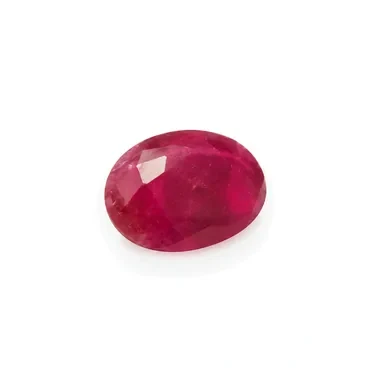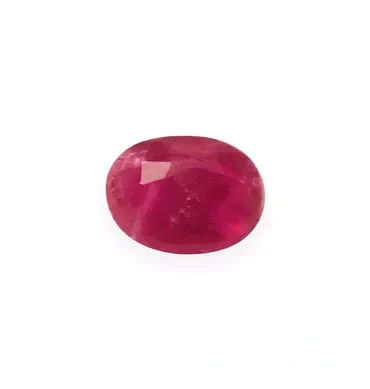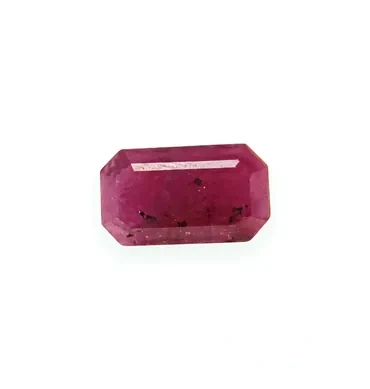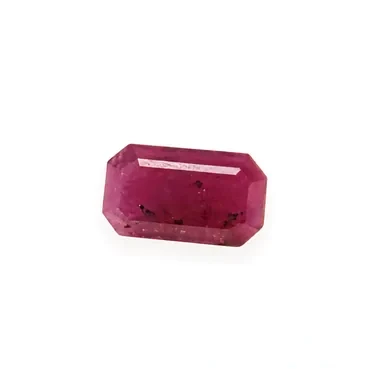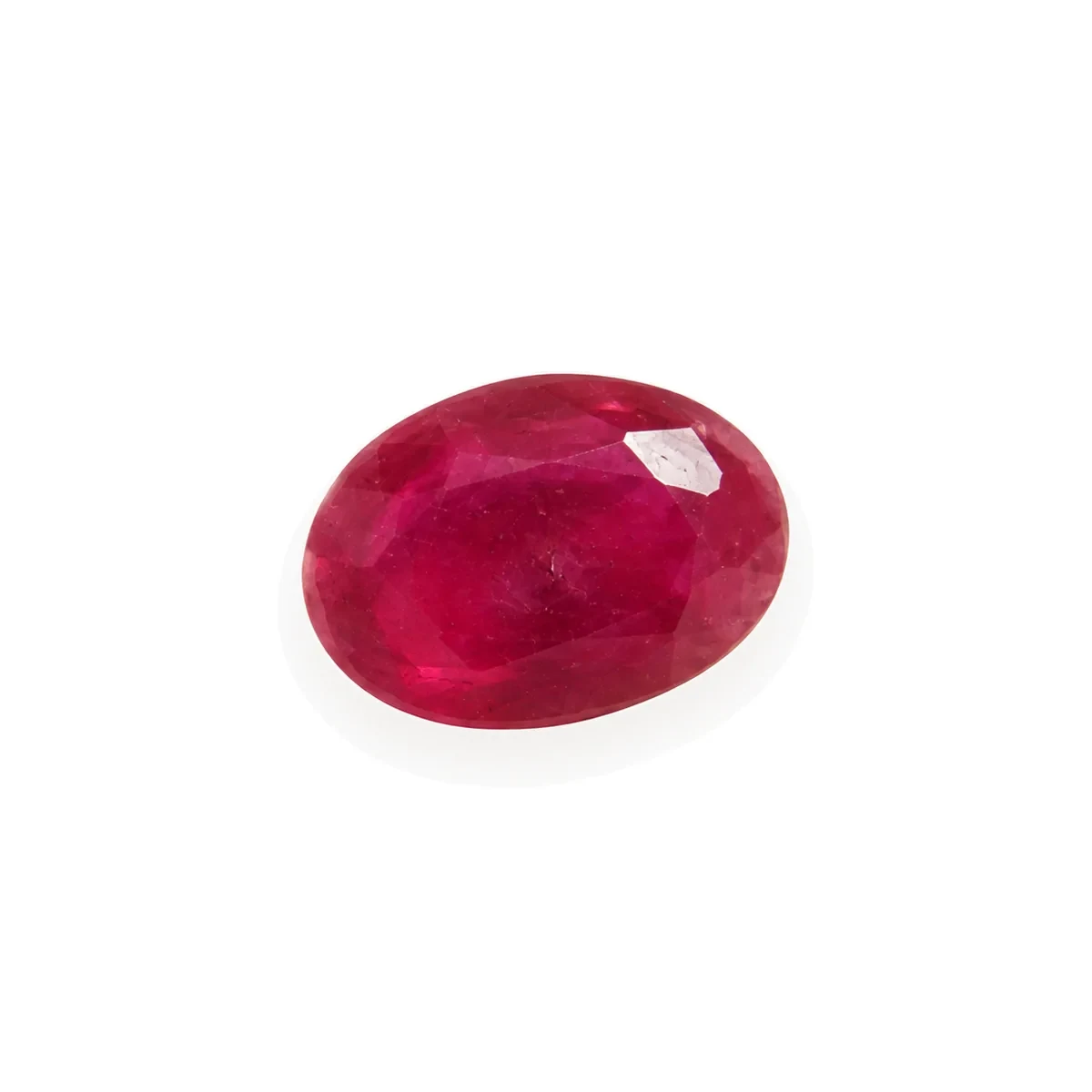
Natural Ruby Pendant Stone 8.55 Carat
1,618 روپے فی رتی · Rs. 1,778 per carat · 9.40 ratti (8.55 ct)
Natural ruby (Yaqoot), 8.55 ct. One unique stone, certificate on request, Cash on Delivery across Pakistan.
Heating is routine for sapphire and ruby and changes the price. Heated vs unheated stones: how they differ and what a lab report shows.
Order on WhatsAppLooking for an original yaqoot stone around 8.55 carats? This piece tips the scale at 8.55 ct (roughly 9.40 ratti) and is offered as one unique stone — the one shown in the photos. Yaqoot, the Urdu name for ruby, refers to red corundum, a gem whose glow comes from traces of chromium in the crystal. That same chromium can make fine rubies appear to light up from within under daylight.
What to notice in this ruby
Buyers should look for a stone that stays vivid red when tilted, without heavy dark areas or brown tints. Clean, lively rubies are rare, so even fine stones may show tiny needles, which can actually help prove natural origin. Priced at Rs. 15,200, this stone works out to about Rs. 1,778 per carat — the entry band of the ruby stones we have in stock right now.
Origin and treatment
Origin: not documented, so we don't state one. We only name an origin when a lab report or supplier document backs it; ask for an independent lab report (lab fee charged separately) if origin matters to you. Pakistan is a genuine ruby source, with marble-hosted crystals from the Hunza Valley and stones from the Neelum Valley in Azad Kashmir. Internationally, Myanmar, Mozambique, Thailand and Sri Lanka are the main producers. Many rubies are heated, sometimes with flux that heals small fractures, and some cheap stones are heavily filled with lead glass. Synthetic ruby has also been made for over a century, so an honest seller will always state what has been done. This particular piece has not been lab-tested, so we don't describe it as untreated: most ruby is heated, and some lower grades are glass-filled. Ask for an independent lab report (lab fee charged separately) if treatment matters to you.
Is this yaqoot stone real?
Ask for a lab report for any significant ruby, especially if it is described as unheated. Red garnet, spinel and glass are the usual look-alikes, and refractive index or spectroscopy readings quickly separate them. Every RareGems listing is checked to be natural before it goes online, a certificate can be arranged on request, and you may have it tested at any independent lab within the 7-day return window.
Wearing and care
Traditionally Yaqoot is set in gold or copper and worn on the ring finger, often first put on on a Sunday morning. It also makes a striking pendant or a centre stone in a women's ring. Store a ruby separately so it does not scratch softer jewellery, and clean it with a soft brush and mild soap. Remove the ring when using bleach or acids, which can damage any filling.
Why people wear yaqoot stone
Ruby is the July birthstone and has long been treated as a symbol of passion and protection. Astrology traditions link it to the Sun, and many wearers choose it hoping for courage and recognition. If you are choosing it for astrological reasons, confirm the stone and weight with your own astrologer first.
See the rest of our ruby stones or consider moonstone. Today's rates for every stone are in our gemstone price guide, and the Urdu and English gem names page explains the trade terms. For a deeper look, see Ruby (Yaqoot) Quality: How the Trade Grades a Stone.
About This Stone
At a glance: one natural ruby (Yaqoot) of 8.55 Carat (roughly 9.40 ratti). The price is Rs. 15,200, or close to Rs. 1,778 for each carat. Treatment: not lab-tested (most ruby is heated, and some lower grades are glass-filled). Quote reference PS-000560 on WhatsApp and we will pull up this exact piece. You will receive the very stone in the photos — each listing is one physical piece.
From six to twelve carats a stone becomes a centrepiece. Expect to use a broader shank or secure claws in a ring, or let it lead a pendant. Natural material of this size turns up far less often than smaller pieces, which shows in the rate per carat.
Hardness: 9 on the Mohs scale. That makes it one of the toughest stones you can wear every day. Clean it with soapy lukewarm water and a soft brush, and skip ultrasonic cleaning if it shows surface-reaching inclusions.
Our checks before listing: natural (not lab-grown, glass or composite), treatments written down, and the weight measured on the finished stone. A certificate can be arranged on request, and you are welcome to have the ruby tested independently within the 7-day return window.
Customer reviews
No reviews for this stone yet. Bought it from us? Tell other buyers what it is like in real life.
Write a review
Buying on an astrologer's advice? Send us the recommendation (stone, weight in ratti or carat, metal) and we'll match it to a natural stone, honestly described. Gemstone consultation · Stones by rashi