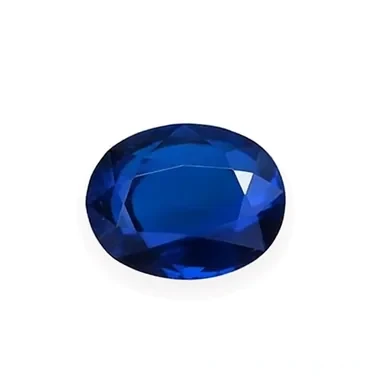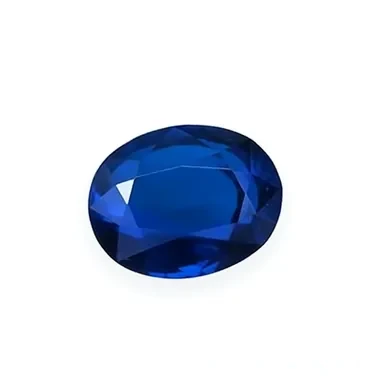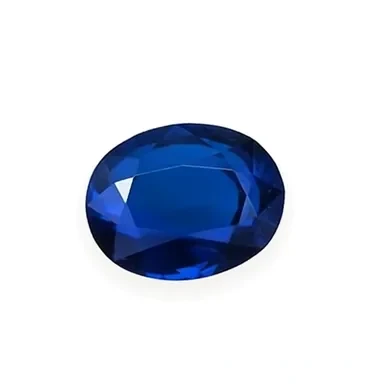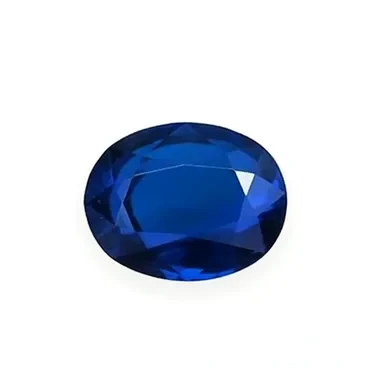
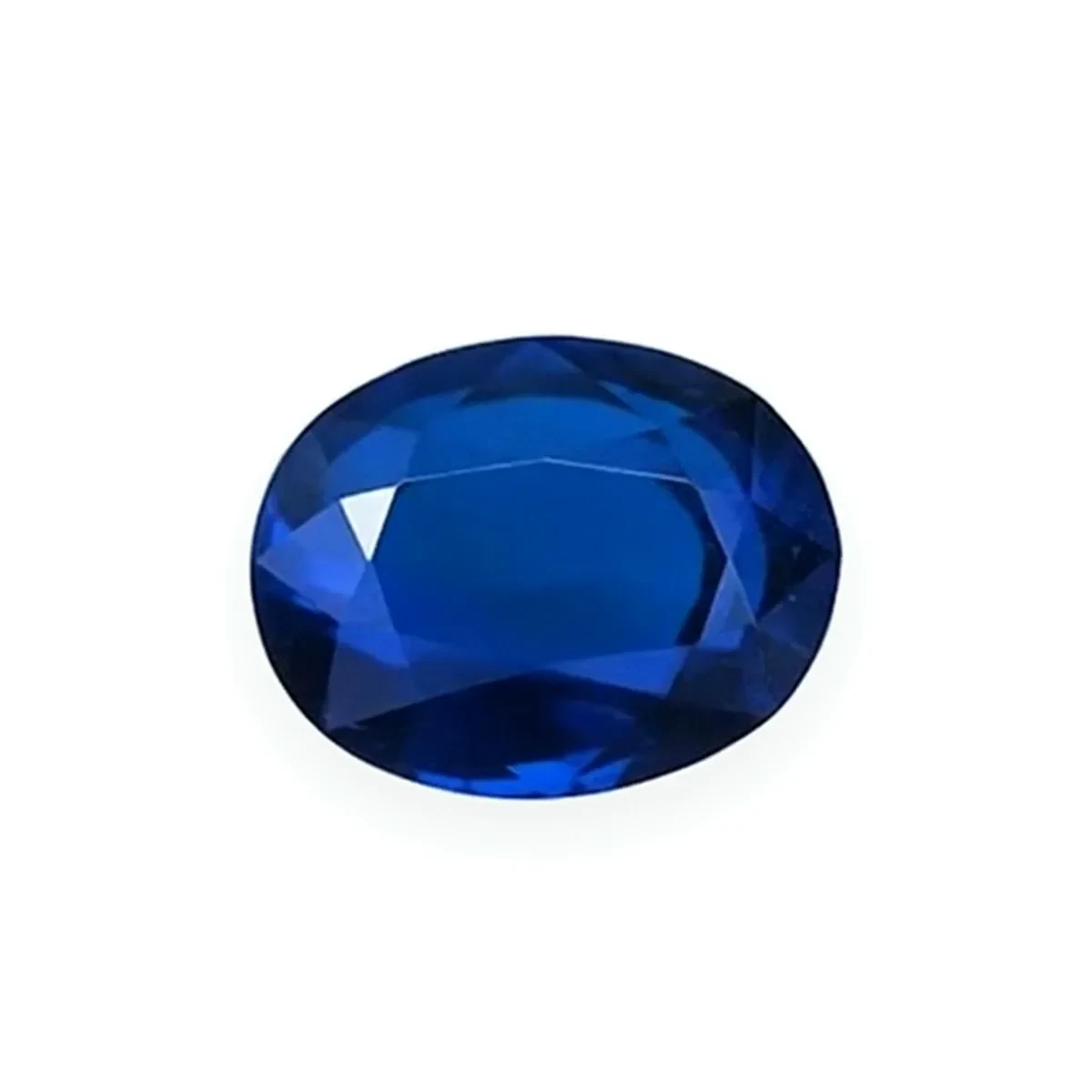
Blue Sapphire (Neelam) 13.25 Carat, 14.56 Ratti
2,730 روپے فی رتی · Rs. 3,000 per carat · 14.56 ratti (13.25 ct)
Original neelam stone · 13.25 carat (14.56 ratti). Photographed individually, 7-day returns, COD nationwide.
Heating is routine for sapphire and ruby and changes the price. Heated vs unheated stones: how they differ and what a lab report shows.
Order on WhatsAppLooking for an original neelam stone around 13.25 carats? This piece tips the scale at 13.25 ct (roughly 14.56 ratti) and is offered as one unique stone — the one shown in the photos. Few gems carry the reputation of the blue sapphire. Chemically it is corundum, the same mineral as ruby, and small amounts of iron together with titanium inside the crystal produce shades from pale cornflower to deep royal blue.
Quality and value of this neelam stone
A fine Neelam looks lively rather than dark, with blue that fills the whole stone instead of sitting in bands. Untreated material, good transparency and a clean polish all lift its worth, while heavy silk or cracks lower it. The asking price of Rs. 39,750 equals roughly Rs. 3,000 for every carat, which places it in the entry part of our current blue sapphire range.
Source and treatment disclosure
Origin: not documented, so we don't state one. We only name an origin when a lab report or supplier document backs it; ask for an independent lab report (lab fee charged separately) if origin matters to you. The bulk of the world's blue sapphire is now mined in Sri Lanka and East Africa, with Myanmar also important, while Kashmir stones are legendary and very scarce. Within Pakistan, the Kaghan area of Khyber Pakhtunkhwa is a known local source. Most sapphire on the market has been heated to improve colour and clarity, a stable and widely accepted process that should still be disclosed. Beryllium diffusion, glass filling and lab-grown corundum also exist, so an untreated natural stone deserves a lab report. This particular piece has not been lab-tested, so we don't describe it as untreated: most blue sapphire is heated. Ask for an independent lab report (lab fee charged separately) if treatment matters to you.
Authenticity checks
A gemmological laboratory can confirm natural origin, detect heat or diffusion and separate lab-grown sapphire using microscopy and spectroscopy. At home, look for natural inclusions under a loupe; perfectly flawless, very cheap stones are a warning sign. RareGems lists natural stones only. Ask for a lab report before dispatch, or test the stone yourself after delivery — if a lab disagrees with our description within 7 days, you get your money back.
Setting, wearing and cleaning
A ring is the most common setting, typically in silver or white gold with an open back so the stone touches the skin. Pendants and men's signet-style rings are also popular because sapphire is tough enough for daily wear. At hardness 9, sapphire resists scratches well, so a soft brush with mild soapy water is all it usually needs. Store it apart from softer gems so it does not scratch them.
In tradition
In Vedic astrology Neelam is linked with Shani (Saturn) and is traditionally recommended for Makar and Kumbh rashi. Many wearers follow the custom of trying the stone for a few days first, as it is believed to act quickly. Beliefs vary, so treat these as tradition rather than promises, and take your astrologer's advice on weight and finger.
Browse our full selection of blue sapphire stones or look at tourmaline. Per-carat rates for all gems are listed in the gemstone price guide, and the Urdu and English gem names page explains the trade terms. New to this stone? Read Neelam (Blue Sapphire) Buying Guide for First-Time Buyers.
About This Stone
At a glance: one natural sapphire (Neelam) of 13.25 Carat (roughly 14.56 ratti). The price is Rs. 39,750, or close to Rs. 3,000 for each carat. Treatment: not lab-tested (most blue sapphire is heated). Quote reference PS-000875 on WhatsApp and we will pull up this exact piece. You will receive the very stone in the photos — each listing is one physical piece.
At more than twelve carats, this piece is usually bought for a pendant, a talisman or a collection rather than a daily ring. A protective bezel setting is the safest choice for a stone this large.
Hardness: 9 on the Mohs scale. Very few materials can scratch it, so it copes well with daily ring wear. A soft toothbrush, lukewarm water and a drop of mild soap will keep it bright.
Before any sapphire goes live we confirm it is natural, record any treatment and weigh the cut stone itself. Ask for a lab certificate if you need one, or take it to a lab of your choice during the 7-day return period.
Customer reviews
No reviews for this stone yet. Bought it from us? Tell other buyers what it is like in real life.
Write a review
Buying on an astrologer's advice? Send us the recommendation (stone, weight in ratti or carat, metal) and we'll match it to a natural stone, honestly described. Gemstone consultation · Stones by rashi