
Hunza Ruby and Spinel: Pakistan's Own Red Stones
By Ali Raza · Published 3 November 2026 · Updated 16 November 2026
Drive up the Karakoram Highway past Aliabad and Karimabad and you'll pass some of the oddest gem country in the world: bright white marble streaked across the mountainside, with small red crystals sitting in it like seeds in a pomegranate. Those crystals are Hunza ruby and, often right beside them, red spinel. Both are Pakistan's own, both are mined by hand, and they're confused with each other more often than most buyers realise. This guide explains how they formed, how to tell them apart and what to ask before you buy.
For a comparison of Hunza with Burma, Mozambique and Afghanistan, see understanding rubies. For the grading checklist, see our ruby quality guide. This post focuses on the Hunza stones themselves.
How did rubies end up inside Hunza's marble?
Through a continental collision. Around 50 million years ago, the Indian plate began pushing into Asia, burying old seabed limestone deep underground. Heat and pressure turned that limestone into marble. Where the original rock held aluminium and a trace of chromium, but very little silica, those elements crystallised as red corundum, which is ruby, and as spinel.
The lack of silica is the key. In most rocks, aluminium combines with silica to form ordinary minerals like feldspar or mica. In pure limestone there's almost no silica to grab it, so aluminium is left to form corundum or, when magnesium is present, spinel. Chromium supplies the red. The same process, along the same mountain belt, produced the marble-hosted rubies of Jegdalek in Afghanistan and, much further east, Mogok in Myanmar. Later uplift pushed Hunza's marble up into the high Karakoram, where erosion and miners can now reach it.
What does marble-hosted ruby look like?
Rubies grown in marble are low in iron, so they tend to glow under the ultraviolet in daylight, giving a lively, slightly pinkish red. Hunza crystals are usually small, often flat six-sided tablets, and most are translucent rather than fully transparent. Many are sold still set in their white marble as display specimens.
That last point shapes the market. A good share of Hunza output never becomes a faceted ring stone. Translucent crystals are cut as cabochons or beads, and the most attractive pieces in matrix are sold to collectors, who value a sharp red crystal on clean white rock for its own sake. Transparent, eye-clean Hunza ruby suitable for faceting exists, but in small sizes and limited quantity. Treat a large, clean, cheap "Hunza" stone with the same caution you'd apply to any famous name without paperwork. A smaller ruby source also exists in Azad Kashmir's Neelum Valley, where rubies likewise grow in marble.
Spinel: the red stone that was mistaken for ruby for centuries
Spinel is a separate mineral, magnesium aluminium oxide, that grows in the same marbles as ruby and can be the same red. For most of history nobody could tell them apart. Several famous "rubies" in royal collections, including the Black Prince's Ruby in the British crown, turned out to be spinel once gemmology could separate the two.
Older Persian and Mughal sources called red spinel from Badakhshan "Lal" or the Balas ruby, and it was prized in its own right, often engraved with the names of the rulers who owned it. Today spinel is valued as a gemstone of its own. It's usually untreated, it's hard and durable, and fine red and hot pink spinel has a strong following among collectors. Hunza produces red, pink and purplish spinel, usually as sharp octahedral crystals, two pyramids joined at the base.
RareGems doesn't currently stock spinel, so there's no spinel collection to browse. If you're looking for one, message us and we'll tell you honestly whether we can help.
How can you tell Hunza ruby from spinel?
The quickest clues are crystal shape and how the stone treats light. Ruby crystals tend to be flat hexagonal tablets or barrels, while spinel forms octahedrons. Ruby is doubly refractive and shows two slightly different reds through a dichroscope; spinel is singly refractive and shows one. A gemmologist with a refractometer can separate cut stones within minutes.
| Feature | Ruby (Yaqoot) | Red spinel |
|---|---|---|
| Mineral | Corundum | Spinel (magnesium aluminium oxide) |
| Hardness | 9 | 8 |
| Typical crystal shape | Flat six-sided tablets or barrels | Octahedrons, two pyramids base to base |
| Optics | Doubly refractive, shows two shades of red (dichroic) | Singly refractive, one shade only |
| Refractive index | About 1.76 to 1.77 | About 1.72 |
| Common treatment | Often heated; low grades may be glass-filled | Usually untreated |
| Hunza material | Small, pinkish red, mostly translucent | Red, pink and purplish, often sharp crystals |
For a buyer with no instruments, the honest answer is that a cut, loose stone can't be identified reliably by eye. In matrix, an experienced eye can often tell from crystal shape alone, which is why specimens are less risky than loose stones sold on a story. For anything costly, an identification report settles it. Our lab certified gemstones page explains how to get one, and real vs fake gemstones covers the imitations, such as red glass and dyed quartz, that turn up alongside both.
What should you ask before buying a Hunza red stone?
Start with identity, then origin, then treatment. Ask whether the stone has been identified as ruby or spinel and by whom, whether "Hunza" is the supplier's word or a lab's opinion, and whether it has been heated, filled or dyed. Then ask for the weight in carats and the price per carat, written on the invoice.
- "Ye Yaqoot hai ya spinel?" A fair question for any red stone from northern Pakistan. A seller who knows the material will have a clear answer.
- Is it transparent, translucent or opaque? Price changes sharply between these, and photos can flatter translucent stones.
- Is it a cut stone or a specimen in matrix? Specimens are priced as display pieces, not per carat like ring stones.
- Has it been heated or filled? Hunza ruby is often untreated, but heated and glass-filled ruby from other sources is sometimes passed off under local names. Our heated vs unheated page explains the difference.
- Can I return it if a lab disagrees? Get the answer in writing.
Is Hunza ruby better than imported ruby?
Not automatically. Hunza ruby has an attractive glowing pinkish red and the appeal of a Pakistani origin, but most of it is small and translucent. Fine transparent rubies in ring sizes more often come from Mozambique or Myanmar. Judge each stone on colour, clarity, cut and treatment, and treat origin as a story that needs documents.
That doesn't make Hunza material second-rate. A clean, bright small Hunza ruby can be a lovely ring stone, and a sharp crystal on white marble is one of the most striking specimens Pakistan produces. In Vedic tradition, Yaqoot is associated with the Sun (Surya), whatever its origin; for what to wear and when, follow your astrologer's advice.
Red stones at RareGems
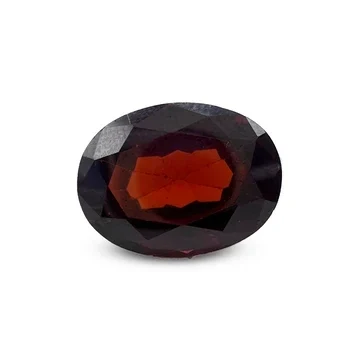
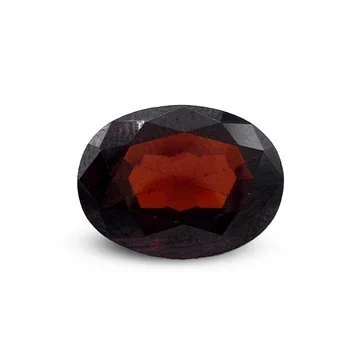
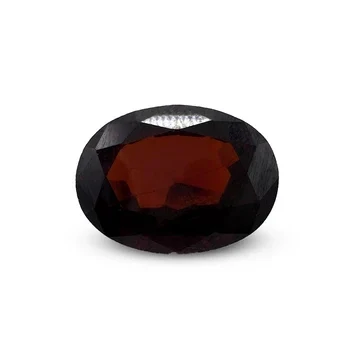
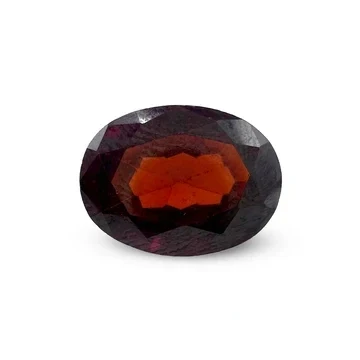
Every stone in our ruby (Yaqoot) collection is natural, photographed on its own, priced per carat and listed with what we know about its treatment. We don't currently describe any ruby as Hunza: we name an origin only when a lab report or a supplier document backs it, and none of our current rubies has one. Our checks are set out in how we grade, and our gemstone origins page explains how origin is worded on listings.
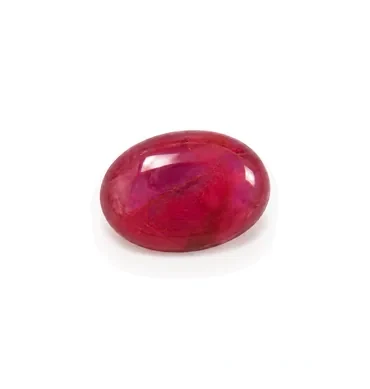
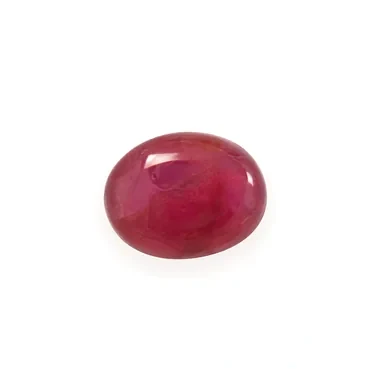
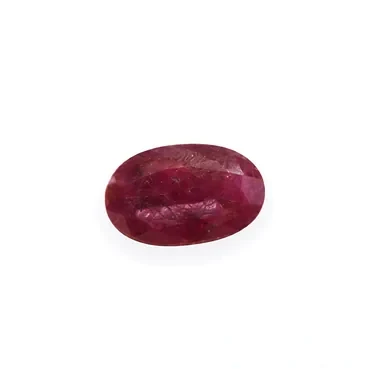
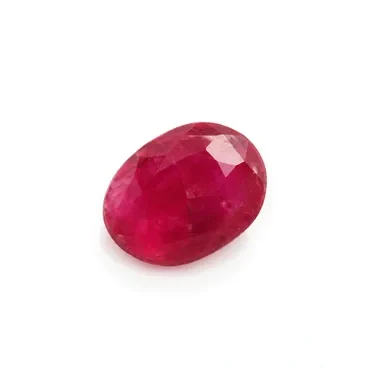
Any stone can be sent for an independent lab report on request; the lab fee is charged separately and confirmed with you before testing. A ruby of 3 carats or more with documented facts can qualify as one of our Rare Finds. If you want a red stone at a different price point, garnet, red coral (Moonga) and red agate are all in stock. Delivery is within Pakistan by TCS or Leopards Courier, with Cash on Delivery and a 7-day return window.
خلاصہ
ہنزہ کا یاقوت اور اسپنل دونوں سفید سنگ مرمر میں بنتے ہیں اور اکثر ایک دوسرے سے ملتے جلتے دکھائی دیتے ہیں۔ ہنزہ کا یاقوت عموماً چھوٹا، گلابی سرخ اور نیم شفاف ہوتا ہے، جبکہ اسپنل ایک الگ پتھر ہے جو ہم فی الحال فروخت نہیں کرتے۔ خریدنے سے پہلے پتھر کی پہچان، ماخذ اور ٹریٹمنٹ ضرور پوچھیں، اور قیمتی پتھر کے لیے لیب رپورٹ لیں۔