
Ruby Origins and Treatments: Burma, Mozambique, Afghanistan and Hunza
By Ali Raza · Updated 5 November 2026
Most conversations about Yaqoot in Pakistan start with colour and end with price. In between sit two questions that explain a surprising share of the difference: where did the ruby grow, and what has been done to it since? This guide takes the four ruby origins a Pakistani buyer meets most often, Burma, Mozambique, Afghanistan and our own Hunza valley, and then walks through the treatments you'll see on reports, from routine heating to the glass filling we recommend avoiding.
If you want the grading checklist itself (hue, tone, clarity and cut), our ruby quality guide covers it in detail. Here the focus is origin and treatment.
Why does origin change how a ruby looks?
Ruby forms in two broad rock types, and that decides a lot. Marble-hosted rubies, as in Mogok, Afghanistan and Hunza, contain little iron, so they glow red under daylight's ultraviolet. Rubies grown in iron-rich amphibolite, as in much of Mozambique, look slightly darker and glow less. Origin is shorthand for that chemistry.
Burma (Myanmar): Mogok and Mong Hsu
Mogok has been mined for centuries and is still the source most buyers name first. Its marble-hosted rubies are low in iron and fluoresce strongly, which gives the best of them a glowing, almost lit-from-within red. Fine silk, small calcite crystals and a swirled, syrupy texture that dealers call "roiled" are typical features under magnification.
Mong Hsu, a later Burmese source, is a different story. Its rubies often have dark bluish cores and are almost always heated, frequently with a flux that seals fractures, so a "Burmese" label alone tells you little about quality or treatment.
Mozambique: the modern major source
Since the late 2000s the Montepuez area of Mozambique has supplied a large share of the world's fine ruby. Many stones grew in amphibolite, so they carry more iron, fluoresce less than Mogok material and can lean slightly darker or more purplish. On the other hand, clean stones in sizes above two carats are found more often than from older sources.
Are Mozambique rubies usually heated?
Many are, but Mozambique produces a fair number of fine rubies that are sold unheated or only lightly heated, because the rough already has good colour. Lower-grade, heavily fractured Mozambique material, on the other hand, is a common starting point for glass filling. So the origin tells you nothing on its own; the treatment line on the report matters more.
Afghanistan: Jegdalek and the marble belt
Afghanistan's ruby deposits, especially Jegdalek east of Kabul, sit in the same marble belt that runs across the Hindu Kush and into Pakistan. The rubies are typically pinkish to purplish red, strongly fluorescent and often included. Transparent faceting material exists but is limited; much of the output is translucent and cut as cabochons or sold in its white marble matrix.
Hunza: Pakistan's own Yaqoot
Hunza rubies grow in white marble in the Karakoram, which is why you'll often see them as bright red crystals sitting in pale rock. They're usually small, pinkish red and fluorescent, with transparent pieces scarce and most material translucent. Many local buyers like them for their colour and Pakistani origin, and specimens in matrix are collected for display as much as for rings.
Because transparent Hunza ruby is scarce, a large clean stone sold as "Hunza" deserves the same scepticism as any other origin claim without paperwork.
Ruby origins compared
| Origin | Host rock | Typical look | Fluorescence | Common treatment |
|---|---|---|---|---|
| Mogok, Burma | Marble | Glowing pure to slightly pinkish red, silk, roiled texture | Strong | Heat; unheated stones exist but are scarce |
| Mong Hsu, Burma | Marble | Red with dark bluish cores before heating | Strong | Almost always heated, often with flux |
| Mozambique | Mostly amphibolite | Red to slightly purplish red, often cleaner, larger sizes | Weaker | Unheated, heated, or glass-filled at low grades |
| Afghanistan | Marble | Pinkish to purplish red, often included | Strong | Often untreated cabochons; some heated |
| Hunza, Pakistan | Marble | Small, pinkish red, mostly translucent | Strong | Often untreated; some heated |
Is a heated ruby still a natural ruby?
Yes. Heating has been used on ruby for centuries to dissolve silk, clear cloudiness and remove bluish or purplish tints, and the result is permanent. A heated ruby is still a natural stone, just one priced lower than an equivalent unheated ruby. Most rubies sold today have been heated, and honest sellers say so in writing.
Heat with flux residues
Some rubies are heated with a flux, a borax-type compound that melts into surface-reaching fractures and partly closes them. Reports mention it as heating with "minor" or "significant" residues. Minor residues are common and widely accepted; significant residues mean the stone's clarity owes a lot to the treatment and should be priced accordingly.
Why should you avoid glass-filled ruby?
Glass-filled ruby is low-grade, heavily fractured corundum soaked in lead glass so it looks transparent. It can contain as much glass as ruby, it's damaged by a jeweller's torch and even by lemon juice or household cleaners, and it's worth a small fraction of real ruby. Labs often call it a composite rather than a treated ruby.
Warning signs include flash colours (blue or orange) in fractures as you tilt the stone, gas bubbles inside the filled areas, and a vivid, transparent "ruby" offered at a few thousand rupees per carat. We don't sell glass-filled ruby. Our heated vs unheated guide explains how we label treatments across stones.
What to ask before you buy
- Treatment, in writing: unheated, heated, heated with residues, or glass-filled.
- Origin, with evidence: a lab report if origin is part of the price.
- Weight in carats: not only ratti, since ratti conventions differ between sellers.
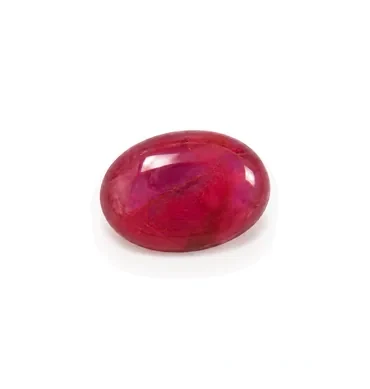
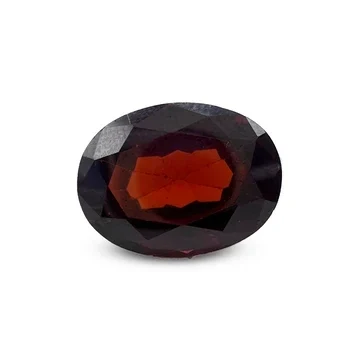
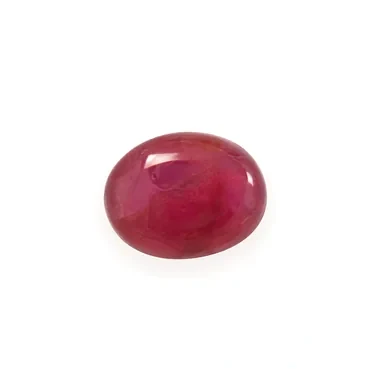
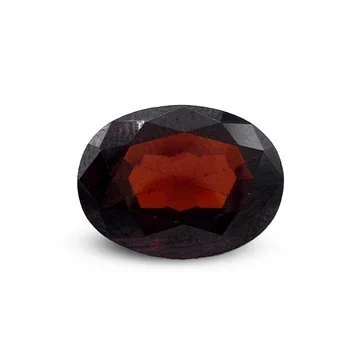
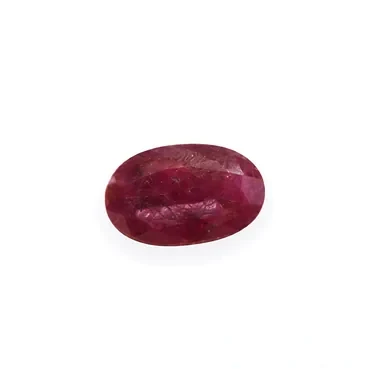
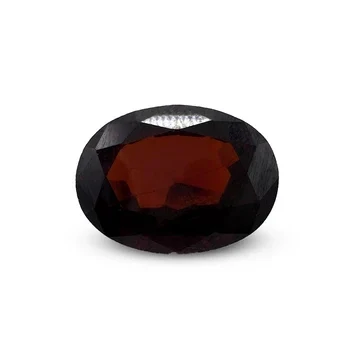
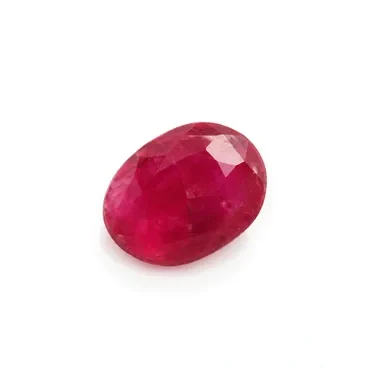
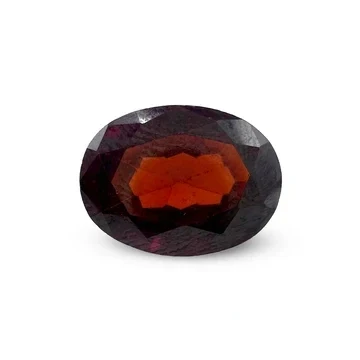
You can browse natural stones, each priced per carat with its treatment stated, in our ruby (Yaqoot) collection. If fine ruby is beyond budget, red garnet and tourmaline are natural alternatives, and pink-to-violet corundum appears in our purple sapphire range. "Yaqoot garam kiya hua hai ya nahi?" is a question we're happy to answer for any listed stone.
Browse: All Ruby · All Garnet
خلاصہ
یاقوت برما، موزمبیق، افغانستان اور ہنزہ سمیت کئی جگہوں سے آتا ہے، اور ہر ماخذ کا رنگ اور چمک کچھ مختلف ہوتی ہے۔ حرارت والا یاقوت قدرتی ہی ہوتا ہے، مگر شیشہ بھرا یاقوت کمزور اور بہت کم قیمت ہوتا ہے، اس سے بچیں۔ خریدنے سے پہلے ٹریٹمنٹ تحریری طور پر لیں اور ماخذ کے دعوے کے لیے لیب رپورٹ مانگیں۔
Ready to choose? Heated vs unheated stones explained