
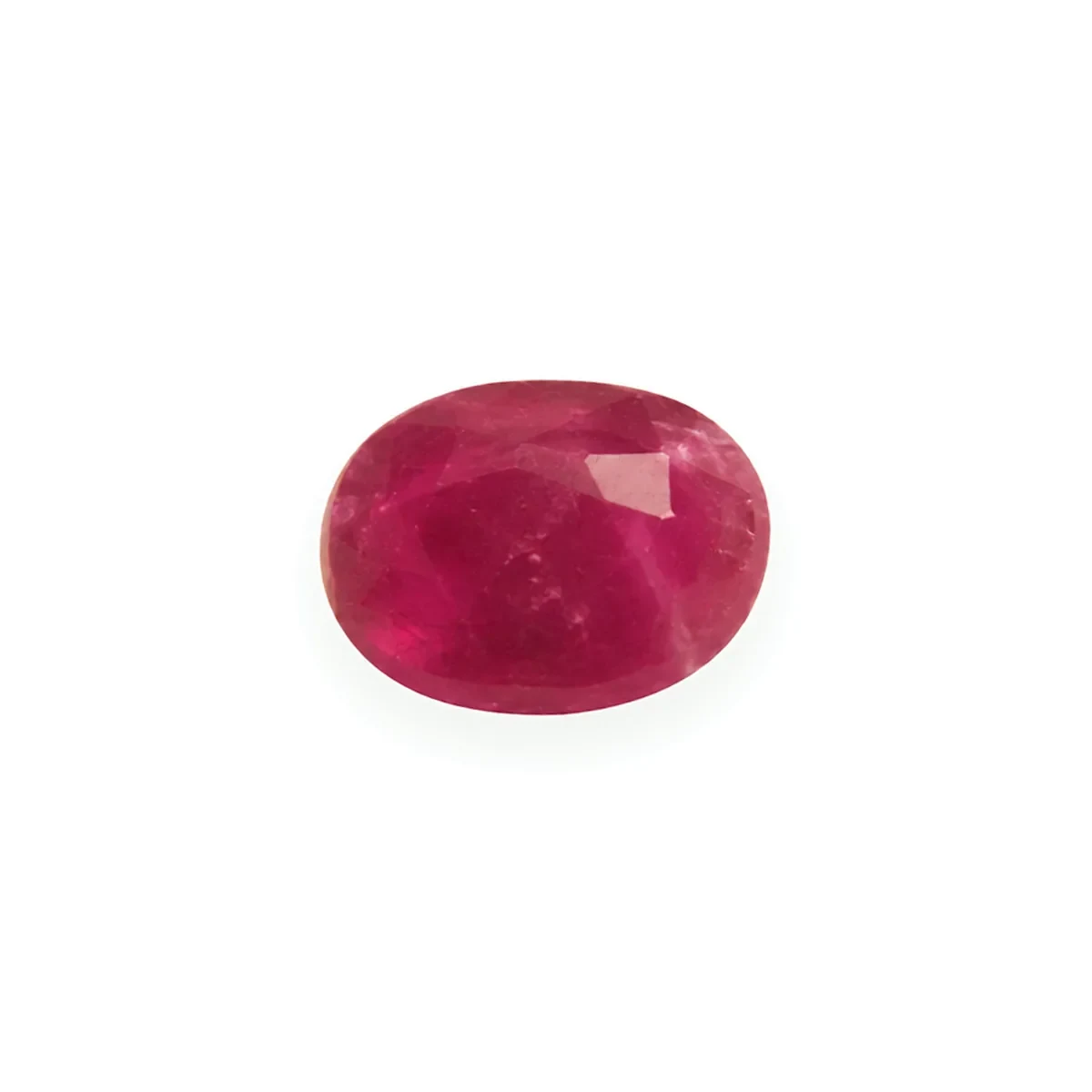
Vedic astrology works with nine celestial bodies, the Navagraha, and pairs each with a gem. Together these nine make up the navaratna. The planets explain why your zodiac sign leads to a particular stone: the sign has a ruling planet, and the planet has a gem. This page sets out all nine, along with the customary day, finger and metal.
Navagraha gemstones at a glance
| Planet | Traditional gem | Signs it rules | Customary day | In stock as |
|---|---|---|---|---|
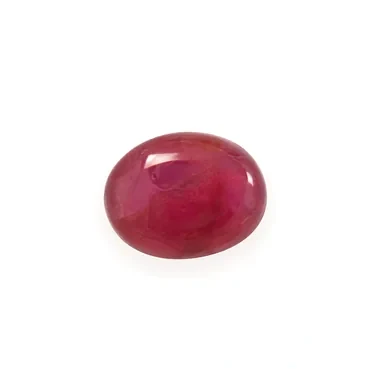
| Sun (Surya) | Ruby (Yaqoot / Manik) | Leo | Sunday | Ruby |
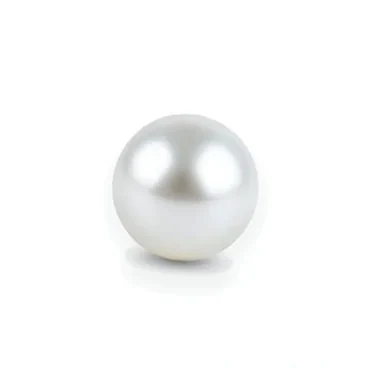
| Moon (Chandra) | Pearl (Moti) | Cancer | Monday | Pearl |
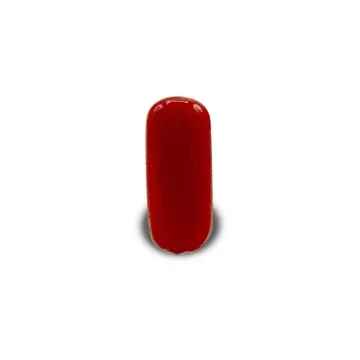
| Mars (Mangal) | Red coral (Moonga / Marjan) | Aries, Scorpio | Tuesday | Red coral |
| Mercury (Budh) | Emerald (Zamurd / Panna) | Gemini, Virgo | Wednesday | Emerald |
| Jupiter (Guru) | Yellow sapphire (Pukhraj) | Sagittarius, Pisces | Thursday | Yellow sapphire |
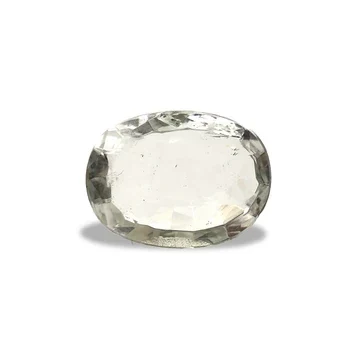
| Venus (Shukra) | Diamond (Heera); white sapphire, white topaz or opal as common alternatives | Taurus, Libra | Friday | White topaz, opal |
| Saturn (Shani) | Blue sapphire (Neelam) | Capricorn, Aquarius | Saturday | Sapphire |
| Rahu | Hessonite garnet (Gomed) | None (shadow planet) | Saturday | Not stocked |
| Ketu | Chrysoberyl cat's eye (Lehsunia) | None (shadow planet) | Tuesday or Thursday, by custom | Cat's eye |
What are the nine Navagraha stones?
The nine Navagraha stones are ruby for the Sun, pearl for the Moon, red coral for Mars, emerald for Mercury, yellow sapphire for Jupiter, diamond for Venus, blue sapphire for Saturn, hessonite garnet for Rahu and cat's eye chrysoberyl for Ketu. Set together in one piece, they form the traditional navaratna arrangement.
In a navaratna ring or pendant, ruby usually sits in the centre with the other eight around it. Single-stone rings are far more common in Pakistan, though, because most astrologers recommend one planet's gem after reading a chart.
The seven sign rulers
- Sun and Moon rule one sign each, Leo and Cancer. Their gems, ruby and pearl, are the classic pair of the light planets.
- Mars, Mercury, Jupiter, Venus and Saturn rule two signs each. That's why Aries and Scorpio share red coral, and Capricorn and Aquarius share Neelam.
- Metals follow a loose custom: gold for the Sun, Mars and Jupiter stones; silver for the Moon, Venus and Saturn stones. Mercury's emerald is set in gold by many, silver by others.
Why do Rahu and Ketu have no zodiac sign?
Rahu and Ketu are the lunar nodes, the two points where the Moon's path crosses the Sun's. Vedic tradition treats them as shadow planets without a sign of their own, so their gems, Gomed and Lehsunia, are normally suggested only after a full chart reading, never by sign or birth month alone.
We don't currently stock hessonite garnet (Gomed). For Ketu, our cat's eye stones are listed individually; a fine chrysoberyl shows one sharp line of light that glides across the dome as you turn it. Our cat's eye quality guide explains what the trade looks for.
Stones in stock for the planets
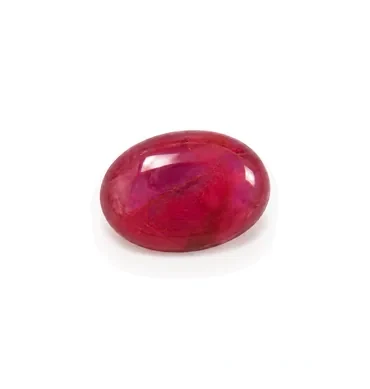
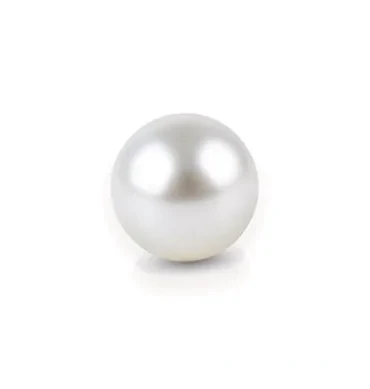
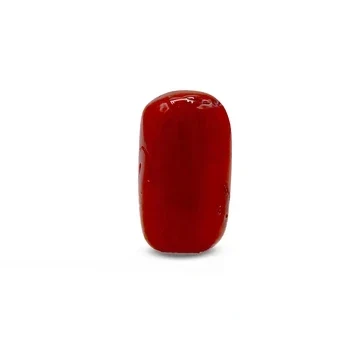
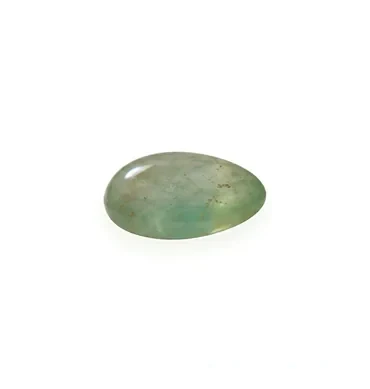
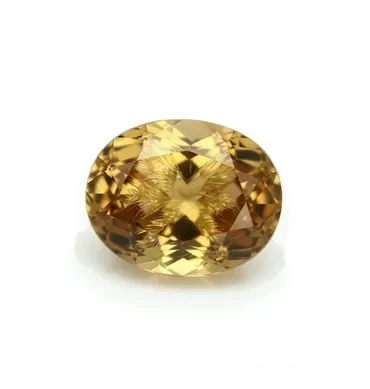 Natural · Inspected
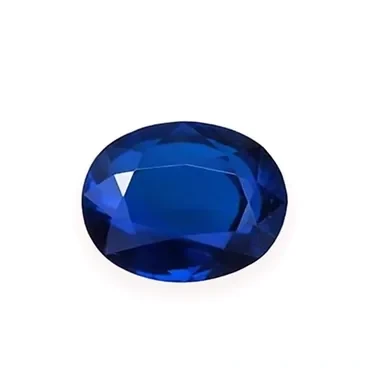 Natural · Inspected
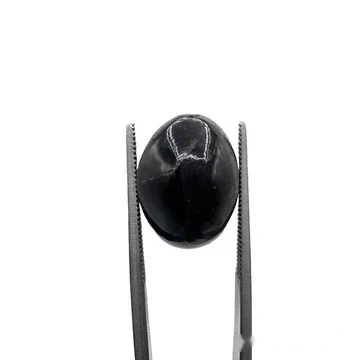
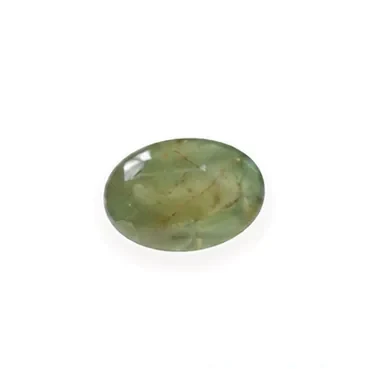
Browse: All Ruby · All Pearl · All Red Coral · All Emerald · All Yellow Sapphire · All Sapphire · All Cat Eye · All White Topaz
A note on Venus
Diamond is the traditional gem for Shukra, but we don't sell diamonds, and white sapphire isn't in stock either. Many astrologers accept natural white topaz or opal for Venus, and those are what we offer to Taurus and Libra buyers. If your astrologer insists on diamond, tell us on WhatsApp and we'll be straight with you about what we can and can't source.
For sign-by-sign detail, return to the zodiac gemstones hub or read our longer article on rashi stones in Vedic astrology. Weights are often quoted in ratti, so our ratti vs carat explainer is worth a look before you compare quotes.
Got a recommendation from your astrologer? Send it on WhatsApp and we'll find a natural stone that matches.