
Ratti vs Carat: How Sellers Convert Gem Weights and Why They Differ
By Ali Raza · Updated 20 October 2026
Walk into a gem shop in Lahore with an astrologer's slip that says "5 ratti Neelam" and you'll find that two shops can mean two different weights. One may hand you a stone of about 4.5 carats, another a stone of about 3 carats, and both will call it five ratti. Neither is necessarily cheating; they're using different ratti. This guide explains ratti vs carat, the figures sellers actually use, and how to compare prices fairly.
What is a carat?
A carat is a fixed metric unit: exactly 200 milligrams, or 0.2 grams, so five carats weigh one gram. It was standardised internationally in the early twentieth century and is used by laboratories, cutters and dealers worldwide. Unlike the ratti, the carat has a single legal definition, which is why it's the safest unit to put on an invoice.
Carat (weight) shouldn't be confused with karat, the purity of gold. A 22-karat ring says nothing about the weight of its stone.
What is a ratti?
The ratti began as the weight of a seed of the gunja plant (Abrus precatorius), the small red-and-black seed once used on jewellers' scales across South Asia. It fed into the old tola system, in which one tola was divided into 12 masha and 96 ratti. Because it started as a seed and passed through different trades, it never settled on one value.
Why do sellers use different ratti values?
Two main conventions survive. Goldsmiths' traditional ratti, often called kachi or sunari ratti, comes from the tola and weighs about 0.1215 grams, or 0.61 carat. The gem trade's pakki ratti, used for astrological stones, is set at about 1.5 times that: roughly 0.182 grams, or 0.91 carat. Some shops round this to 0.9 carat.
So the difference is history, not trickery. A jeweller who learned the trade with gold weights may quote the smaller ratti, while a gem dealer who sells to astrologers' clients almost always means the larger one. Regional habit, rounding and old scales add further small variations.
Which ratti do astrologers mean?
Most astrologers in Pakistan and India who prescribe stones by ratti mean the pakki ratti of about 0.91 carat, so a "5 ratti" recommendation is usually taken as roughly 4.55 carats. Practice isn't uniform, though. If the weight matters to you, ask your astrologer which ratti they use, or better, ask them to state it in carats.
Ratti to carat conversion table
The figures below use 1 pakki ratti = 0.91 ct (0.182 g) and 1 kachi ratti = 0.6075 ct (0.1215 g), rounded to two or three decimals.
| Ratti | Pakki ratti in carats | Pakki ratti in grams | Kachi ratti in carats | Kachi ratti in grams |
|---|---|---|---|---|
| 1 | 0.91 | 0.182 | 0.61 | 0.122 |
| 2 | 1.82 | 0.364 | 1.22 | 0.243 |
| 3 | 2.73 | 0.546 | 1.82 | 0.365 |
| 4 | 3.64 | 0.728 | 2.43 | 0.486 |
| 5 | 4.55 | 0.910 | 3.04 | 0.608 |
| 6 | 5.46 | 1.092 | 3.65 | 0.729 |
| 7 | 6.37 | 1.274 | 4.25 | 0.851 |
| 8 | 7.28 | 1.456 | 4.86 | 0.972 |
| 10 | 9.10 | 1.820 | 6.08 | 1.215 |
| 12 | 10.92 | 2.184 | 7.29 | 1.458 |
Going the other way, one carat equals about 1.1 pakki ratti or about 1.65 kachi ratti. A 3-carat stone is roughly 3.3 pakki ratti, and a 5-carat stone roughly 5.5.
How do you compare quotes given per ratti?
Convert every quote to a price per carat. Divide a per-pakki-ratti price by 0.91, or a per-kachi-ratti price by 0.6075. Rs. 10,000 per pakki ratti works out to about Rs. 10,990 per carat, while Rs. 10,000 per kachi ratti is about Rs. 16,460 per carat. The same headline number can hide a fifty per cent difference.
A worked example
- Shop A: 5 ratti Pukhraj at Rs. 12,000 per ratti, using pakki ratti. Stone weighs about 4.55 ct; total Rs. 60,000; about Rs. 13,190 per carat.
- Shop B: 5 ratti Pukhraj at Rs. 9,000 per ratti, using kachi ratti. Stone weighs about 3.04 ct; total Rs. 45,000; about Rs. 14,810 per carat.
Shop B looks cheaper on the tag but charges more per carat, and you'd get a smaller stone. Only a per-carat figure, for stones of similar quality, gives a fair comparison. Colour, clarity, origin and treatment still decide whether the per-carat rate itself is reasonable; our gemstone prices in Pakistan guide sets out indicative ranges.
What to ask any seller
- "Kaun si ratti?" Ask whether they mean pakki or kachi, and what carat figure they use per ratti.
- Weight in carats on the invoice. Carats to two decimal places remove the ambiguity entirely.
- Weigh it if you can. A small digital scale reading in carats or grams settles the number.
- Price per carat, not per stone. A total price hides both weight and rate.
At RareGems every stone is weighed and priced per carat, with the total shown alongside, so you can convert to whichever ratti your astrologer uses. If you're buying in person or by delivery in Lahore, our gemstones in Lahore page explains how ordering works. Stones most often prescribed by ratti include Neelam, Pukhraj, Yaqoot, Zamurd and Moonga.
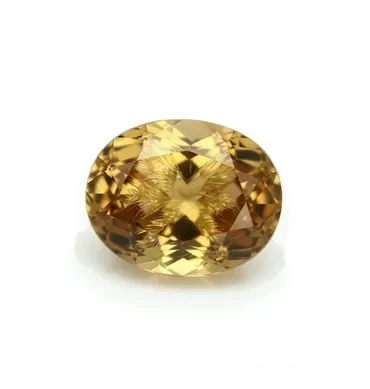 Natural · Inspected
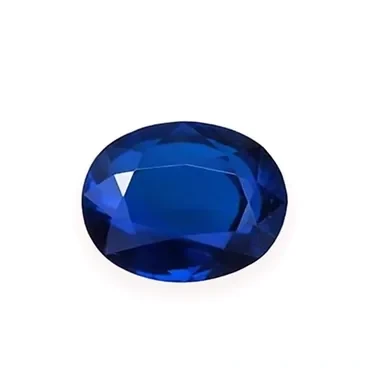 Natural · Inspected
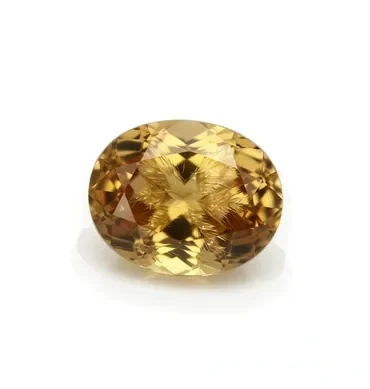
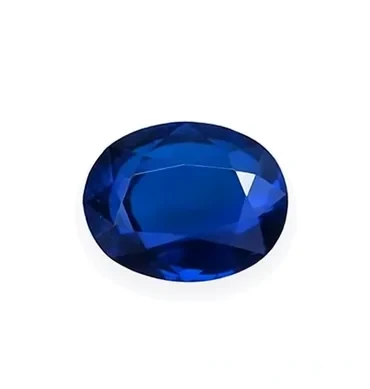 Natural · Inspected
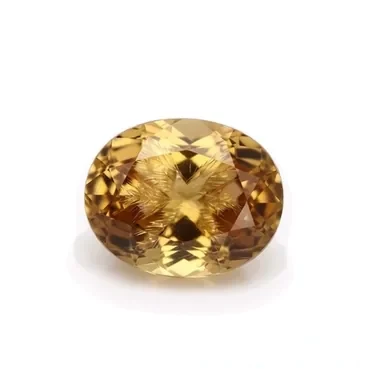 Natural · Inspected
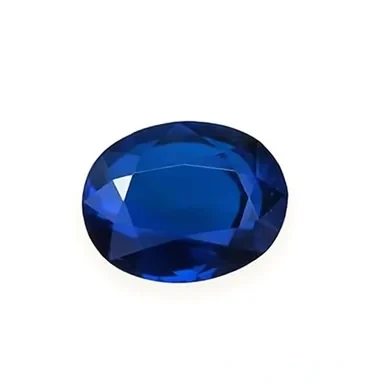 Natural · Inspected
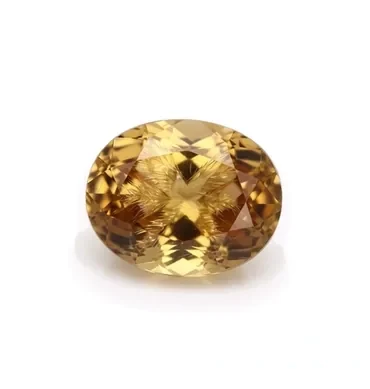 Natural · Inspected
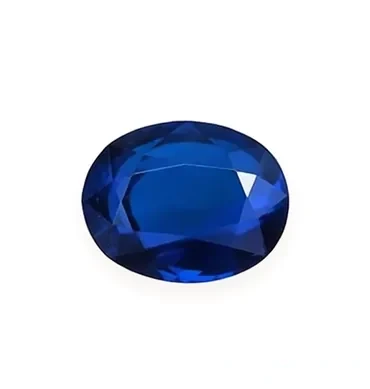 Natural · Inspected
Browse: All Yellow Sapphire · All Sapphire
خلاصہ
ایک کیرٹ ہمیشہ 0.2 گرام ہوتا ہے، مگر رتی کی دو عام قسمیں ہیں: پکی رتی تقریباً 0.91 کیرٹ اور کچی رتی تقریباً 0.61 کیرٹ کی ہوتی ہے۔ اسی لیے دو دکانوں کی "پانچ رتی" کا وزن مختلف ہو سکتا ہے۔ قیمتوں کا موازنہ ہمیشہ فی کیرٹ کریں اور رسید پر وزن کیرٹ میں لکھوائیں۔
Ready to choose? Ring size guide